
How to Connect Att Wifi Router
How to connect att wifi router depends on your AT&T gateway and service setup. Learn the cable path, configuration checks, and fixes for common issues in November 2026.
 By Daniela Hale
Updated November 19, 2026

A working connection depends on linking the router to the AT&T gateway or modem correctly, then confirming that the internet service and Wi-Fi settings are ready. How to connect att wifi router starts with identifying which device already routes traffic, because an AT&T gateway may combine modem and router functions while a separate router needs an internet connection from a gateway or modem.
Before moving cables, check the model labels and the instructions for the equipment and service you have. The right arrangement can differ for fiber, DSL, or another connection type, and some gateway combinations may need a specific operating mode to avoid two devices both managing the network. The guidance below explains how to identify the equipment, make a wired connection, finish setup safely, and tell whether a problem comes from Wi-Fi, the router, the gateway, or the internet service.
| Award | Product | Mesh WiFi Routers Score About Mesh WiFi Routers ScoreMesh WiFi Routers Score is a comparison aid based on available product information, not a hands-on testing result. Read our review methods. | |
|---|---|---|---|
| Best Overall |
NETGEAR Nighthawk WiFi 6 Router R6700AX
|
8.8/10 | Buy |
| Best Premium |
 Keep Connect MAX Router Rebooter |
8.8/10 | Buy |
| Best Budget |
 TP-Link AC1200 Gigabit Dual Band WiFi Router |
8.4/10 | Buy |
| Best Value |
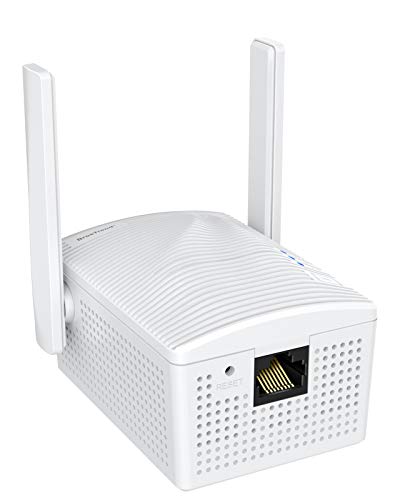 BrosTrend AC1200 WiFi to Ethernet Adapter Dual |
8.3/10 | Buy |
 NETGEAR Nighthawk WiFi 7 Router |
8.3/10 | Buy | |
 TP-Link WiFi Travel Router (WiFi 5) |
7.8/10 | Buy |
Connect an AT&T router by identifying the gateway and checking each link
Connect a standalone Wi-Fi router to the AT&T gateway or modem with an Ethernet cable, then configure the network according to the equipment instructions. If the AT&T device is already a gateway with routing and Wi-Fi, you may not need a second router for basic wireless access. The essential first step is identifying whether you have a separate modem, a gateway, or a standalone router, since the cable path and settings depend on that distinction.
A router directs network traffic between connected devices and the internet, while a modem or service gateway provides the connection to the provider’s network. A gateway can combine these functions, so connecting another router without considering the gateway’s existing settings can create a more complicated network. The equipment labels and manufacturer instructions are more reliable than guessing from appearance alone.
Check these details before connecting equipment, because a correct cable cannot compensate for an incompatible service arrangement or an inactive internet connection.
- Identify whether the AT&T equipment is a modem, gateway, or router, using its label and documentation.
- Confirm which device currently provides internet access and whether its connection status is normal.
- Locate the router’s WAN or Internet port and the gateway’s available Ethernet LAN port.
- Read both manufacturers’ setup instructions for any required operating mode or configuration.
- Keep the administrator login private and use the instructions supplied for your specific equipment.
Distinguish an AT&T gateway from a separate router
An AT&T gateway may already provide Wi-Fi and routing, as well as the connection to the internet service. If its wireless network meets your needs, connecting an additional router may be unnecessary. A second router can still be used for a particular network need, but its configuration should be based on the gateway model and the router’s documentation.
A standalone router does not normally replace the equipment that terminates the provider’s service. It connects to an existing modem or gateway through Ethernet, rather than directly to a fiber or DSL service line unless its documentation explicitly supports that arrangement. Do not infer service compatibility from a router’s Wi-Fi features alone.
Product descriptions supplied for some standalone routers state that they connect to an existing modem or gateway by Ethernet and note that some gateway combinations may require bridge mode. That does not establish the required setting for every AT&T model. Check the exact gateway instructions or contact the provider if you cannot confirm whether a particular mode is supported.
Connect the router WAN port to the gateway LAN port
For a typical separate-modem or gateway arrangement, connect one end of an Ethernet cable to an available LAN port on the gateway and the other end to the router’s WAN or Internet port. The port labels matter: a LAN port on the router is generally used for wired devices, while its WAN port receives the upstream connection. Follow the device documentation if the port names or setup sequence differ.
Use the Ethernet cable and power equipment specified for the devices, and make connections without forcing plugs into ports. Keep vents clear and place equipment where it can remain ventilated. For electrical connections, power cycling, or other handling, follow the manufacturer’s instructions rather than opening a router or power adapter.
Once the cable is seated, power on the equipment using the sequence described in its instructions. Allow the gateway and router to complete startup before judging their status lights or attempting setup. Lights and their meanings vary by model, so use the device manual rather than assuming a particular color means the same thing across products.
Set up Wi-Fi without assuming one app or menu fits every router
Use the router’s manufacturer-provided setup method, which may involve an app, a web interface, or another documented process. Connect a phone or computer to the router as directed, then follow the prompts to configure its network name and password. Setup requirements vary, and the supplied information here does not establish a single AT&T-specific sequence for every gateway and router.
Choose a network name that helps household members recognize the intended Wi-Fi network without revealing personal details. Set a unique administrator password and a strong Wi-Fi password, and store them securely. Do not share administrator credentials or expose router administration to the public internet as a routine setup choice.
Use the router’s security options as described by its manufacturer and avoid turning off encryption or other protections to address a connection problem. If the router offers a guest network, it can provide a separate way for visitors to connect, but its availability and behavior depend on the model. Keep Wi-Fi security distinct from the security of individual phones, computers, and other connected devices.
Check the connection from the gateway outward
Verify the internet connection first with a device connected to the gateway or router as its documentation recommends. Then check whether the router reports an active internet connection and whether a device can join its Wi-Fi network. This order helps separate an internet-service issue from a local wireless connection issue, although one symptom alone does not prove a particular cause.
If a wired device connected to the router can reach the internet but a wireless device cannot, investigate Wi-Fi settings, the device’s saved network, and local signal conditions. If neither wired nor wireless devices can reach the internet, check the gateway’s status and service connection before assuming that the router is faulty. A provider outage or an issue with the upstream connection can affect every device.
Use these checks to narrow down which part of the connection needs attention before changing settings or resetting equipment.
- Confirm that the Ethernet cable connects the gateway LAN port to the router WAN or Internet port.
- Check the gateway’s service status using its own manual or provider guidance.
- Test a wired connection if available to distinguish Wi-Fi trouble from an internet-link problem.
- Confirm that the device joined the intended network and entered the current Wi-Fi password.
- Check for a service interruption before changing router settings or repeating setup.
- Record current network settings before making changes that could affect connected devices.
Address double routing and gateway configuration carefully
When both a gateway and a separate router perform routing, the network may have two routing layers. That arrangement can complicate some connections or administration, but it does not automatically mean that the internet link will fail. The appropriate configuration depends on the gateway, router, and household’s needs, so do not change a gateway setting based only on a generic instruction for another model.
Bridge or passthrough modes may be relevant for some gateway and router combinations, but names, availability, and steps differ by equipment and service. Consult the exact AT&T gateway documentation and the router manual before changing modes. If documentation is unclear, ask AT&T or the router manufacturer which configuration applies to the specific models.
Before altering a working setup, note the current network name, password, and relevant settings so you can restore them if needed. A reset can erase configuration and disconnect devices, so use it only when the manufacturer or provider recommends it for the situation. Follow their instructions and do not treat a factory reset as a substitute for diagnosing an outage or a loose connection.
Separate weak Wi-Fi from a provider or equipment fault
A device may connect to Wi-Fi while the router has no working upstream internet connection, or the internet may be active while a distant device receives a weak wireless signal. These are different symptoms and call for different checks. Test near the router and, where practical, compare a wired connection with wireless access before relocating equipment or changing configuration.
Wi-Fi performance and coverage vary with the internet service, placement, home construction, interference, connected devices, and configuration. Walls, floors, and nearby sources of interference can affect the signal, while a service plan or provider-side issue can limit internet access independently of Wi-Fi. Moving the router may help if placement contributes to a weak signal, but it cannot repair an upstream service interruption.
Place equipment in a ventilated location and avoid blocking its vents. If only one phone, computer, or smart device has trouble, check that device’s Wi-Fi settings and software guidance as well as the router. If multiple devices fail at the same time, inspect the shared gateway, router, cable, and provider connection before treating each device as a separate fault.
Keep settings secure and maintain the connection
Router firmware can affect features and security, but update availability and installation procedures are model-specific. Use the manufacturer’s official instructions and avoid interrupting an update unless the documentation says it is safe to do so. Do not disable updates or security protections as a routine troubleshooting shortcut.
Review who can access the Wi-Fi network and remove access that is no longer needed, using the router’s documented controls. A guest network can be useful where supported, but it does not replace strong administrator credentials or device-level security. No router setting should be treated as a guarantee against every online threat.
If a connection drops repeatedly, note whether the gateway loses service, the router restarts, or only wireless devices disconnect. The timing and scope of the problem can help a provider or manufacturer support team identify the next check. Keep a record of changes made during troubleshooting so that configuration changes do not become a second source of confusion.
For a straightforward setup, confirm the gateway is online, connect its LAN port to the router’s WAN port, and finish configuration using the exact equipment instructions. If the gateway already supplies Wi-Fi or requires a special mode, verify that arrangement with AT&T or the manufacturer before changing settings.
About the author

Daniela Hale is an editor focused on value and troubleshooting within mesh Wi-Fi routers and whole-home wireless networking. Daniela compares published specifications with real-world user reports to help readers avoid common buying mistakes.