
How to Ddos a Wifi Router
How to DDOS a Wi-Fi router is an unsafe request; learn what denial-of-service attacks mean, how to protect a home network, and what to do during an outage in November 2026.
 By Sofia Vasquez
Updated November 19, 2026

A denial-of-service attack is an attempt to disrupt access to a network or service, and you should not try to direct one at a Wi-Fi router. The phrase how to ddos a wifi router describes harmful activity that can interrupt other people’s internet access and may violate laws or service terms. If your concern is a router that has stopped responding, the useful next step is to diagnose the connection safely rather than attempt an attack. A temporary outage can have several causes, including a router problem, modem issue, internet service disruption, device fault, or wireless interference.
This article explains the difference between a denial-of-service event and ordinary connection trouble, then outlines defensive checks that do not involve sending disruptive traffic. It also covers why replacing a router cannot guarantee protection from every kind of attack. Keep network administration private, use security settings supported by the device, and follow the manufacturer’s instructions for configuration and updates. If you are dealing with an active disruption, your internet provider or router manufacturer can help identify what information is available and what response is appropriate.
| Award | Product | Mesh WiFi Routers Score About Mesh WiFi Routers ScoreMesh WiFi Routers Score is a comparison aid based on available product information, not a hands-on testing result. Read our review methods. | |
|---|---|---|---|
| Best Overall |
Roam 7 BE3600 Wi-Fi 7 Portable Travel Router
|
9.1/10 | Buy |
| Best Premium |
 Amazon eero 6 mesh wifi router |
9.1/10 | Buy |
| Best Budget |
 NETGEAR Nighthawk WiFi 6 Router R6700AX |
8.8/10 | Buy |
| Best Value |
 TP-Link AX1800 WiFi 6 Router (Archer AX21 V5) |
8.4/10 | Buy |
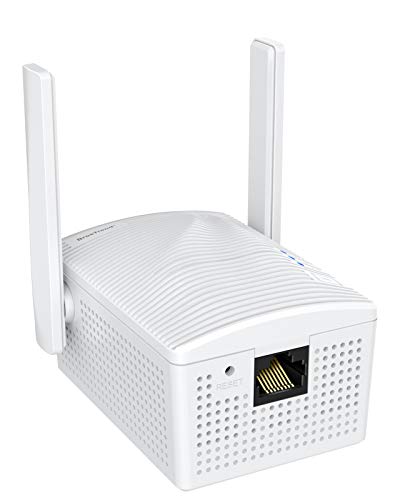 BrosTrend AC1200 WiFi to Ethernet Adapter Dual |
8.3/10 | Buy | |
 TP-Link BE6500 Dual-Band WiFi 7 Router (BE400) |
8.1/10 | Buy | |
 TP-Link WiFi Travel Router (WiFi 5) |
7.8/10 | Buy |
Denial-of-service attacks and safe router protection
A denial-of-service attack tries to make a network service unavailable by overwhelming or disrupting it. For a home user, the practical concern is recognizing that a dropped connection alone does not prove an attack occurred. Router, modem, provider, device, and radio-environment problems can produce similar symptoms. Start with safe observations and basic troubleshooting, and contact the provider if the service disruption persists.
A distributed denial-of-service attack, often shortened to DDoS, involves traffic from multiple sources aimed at a target. This article does not provide attack instructions, tools, traffic-generation methods, or advice for bypassing protections. Those actions can disrupt networks beyond the intended target and may create legal and service consequences. Defensive steps focus instead on securing administration, keeping software current, and isolating where a connection fault may originate.
A home router is only one part of an internet connection. It directs traffic between devices on a local network and the upstream modem or gateway, while the internet provider supplies the external connection. A wireless access point or mesh unit may extend local connectivity, but it does not control the provider’s network. Knowing which part is failing helps avoid unnecessary resets or equipment purchases.
- Check whether the outage affects one device or several devices on the same network.
- Look at router and modem status indicators using the manufacturer’s documentation.
- Test a wired connection if available, without changing security or firewall settings.
- Check the provider’s outage information or contact its support channel.
- Record when the disruption began and which services or devices are affected.
Separate router symptoms from an internet service outage
First determine whether devices can connect to the router’s local Wi-Fi network. A device that cannot join Wi-Fi may point toward a wireless setting, local signal, or device-specific issue. If it joins the network but cannot reach websites, the modem, provider connection, DNS configuration, or another upstream condition may be involved. These clues narrow the investigation but do not identify a cause on their own.
Compare more than one device when practical. If one laptop fails while a phone works on the same network, investigate the laptop’s connection and software before changing router configuration. If all devices lose internet access at once, check the modem connection and provider status as well as the router. Avoid concluding that an attack is underway based only on a brief slowdown or a single dropped session.
A wired test can help distinguish Wi-Fi trouble from a broader connection issue, provided the router and device offer a suitable Ethernet connection. If wired access works while wireless devices struggle, placement, interference, or Wi-Fi configuration may be relevant. If both wired and wireless devices lose external access, the problem may sit upstream or involve the router itself. Actual Wi-Fi performance depends on the internet service, environment, placement, connected devices, and configuration.
Secure router administration without weakening protections
Router administration controls settings that affect every device on a home network. Use a unique administrator password and do not share it with visitors or enter it into unfamiliar websites or messages. Do not expose the administration interface to the public internet as a troubleshooting shortcut. If a setting is unclear, consult the device manual or the manufacturer’s support material before changing it.
Use the strongest Wi-Fi encryption option supported by the router and connected devices. Do not disable encryption, firewall features, or security protections as a routine response to a slow connection. A guest network can keep visitors’ devices separate from ordinary household use when the router supports that feature, but its exact behavior depends on the device. Network security reduces avoidable risks; it cannot guarantee that every attack or device compromise will be prevented.
Firmware updates may address software issues or security weaknesses, but update availability and installation procedures vary by manufacturer and model. Check for updates through the documented administration app or interface, and follow the manufacturer’s instructions. Do not interrupt a firmware update or use files from an unverified source. If an update fails or the router behaves unexpectedly afterward, seek manufacturer guidance instead of opening the equipment or attempting electrical modifications.
These checks help keep routine administration safe and deliberate:
- Replace default administrator credentials with a strong, unique password.
- Keep Wi-Fi encryption enabled and choose a supported secure option.
- Install firmware only through the manufacturer’s documented process.
- Turn off remote administration if you do not need it, following device guidance.
- Use a guest network for visitors when the router offers that option.
- Store recovery details securely rather than sharing administrator access.
Respond to suspected disruption without launching countertraffic
If an internet connection becomes unavailable, do not try to retaliate by sending traffic toward another address. You may not know the source of the disruption, and responding with disruptive traffic can affect uninvolved systems. Preserve useful observations instead: note the time, duration, affected devices, and whether local Wi-Fi remained available. That information can help the provider or manufacturer distinguish a local fault from a broader service incident.
Use the provider’s official support channels to report a suspected attack or persistent service outage. The provider can assess its own network and explain what logs or details it needs. Router manufacturers can advise on device status and documented security settings, but they may not be able to diagnose the provider’s network. If a workplace or school network is involved, report the issue to its administrator rather than changing equipment or probing systems yourself.
Do not factory-reset a router as the first response unless the manufacturer or provider recommends it for the specific situation. A reset can erase network names, passwords, and other configuration, leaving devices disconnected until setup is restored. If a reset is advised, first understand what information will be erased and follow the official procedure. Never open the router or power adapter, and keep equipment ventilated and connected according to its instructions.
When replacement equipment may and may not help
A new router may be relevant if the existing unit is damaged, unsupported, or unable to meet a confirmed home-network need. It is not a guaranteed remedy for a provider outage, a faulty modem, a compromised endpoint, or a denial-of-service event aimed at upstream infrastructure. Before replacing equipment, confirm whether the provider requires a specific modem or gateway arrangement and whether the new router can connect to it. Some gateway combinations may require a documented bridge or access-point configuration.
Product listings can describe features such as Wi-Fi generation, wired ports, guest access, or automatic updates, but advertised specifications are not a promise of real-world speed or security. The supplied options include standalone routers, travel routers, a mesh router, and a Wi-Fi-to-Ethernet adapter, which are different device types rather than interchangeable solutions. The adapter connects an Ethernet-capable device to Wi-Fi; it is not a router that protects an entire home network. Match the equipment type to the actual problem instead of assuming any new device will stop an attack.
Coverage claims also need context. Walls, floors, interference, placement, connected devices, and internet service can all affect results, so a stated coverage area should not be treated as a guarantee for every home. A mesh arrangement may be relevant when a home has persistent weak areas, but adding nodes will not fix a provider-side outage. Verify the model’s supported modes, modem requirements, and management approach in current manufacturer information before changing a working network.
Verify recovery and reduce repeat connection problems
After service returns, confirm that multiple devices can connect and reach ordinary internet services. If possible, compare Wi-Fi with a wired connection to see whether the remaining issue is wireless or broader. Check that the router’s security settings remain enabled and that no unfamiliar administrator or network settings were introduced. If symptoms return, record the pattern and share it with the provider or manufacturer.
Routine upkeep should stay within documented controls. Review available firmware notices, remove devices you no longer recognize only after confirming they are not household equipment, and update Wi-Fi credentials if access has been shared too widely. Keep the router in a ventilated location and avoid moving or disconnecting power equipment while an update is in progress. These steps support sensible network hygiene but do not provide immunity from denial-of-service attacks.
A request about causing a DDoS should be redirected to lawful network defense, not attack instructions. For a real outage, identify whether local Wi-Fi, the router, modem, or provider connection appears affected, then contact the responsible support channel and follow its guidance.
About the author

Sofia Vasquez is a product writer covering mesh Wi-Fi routers and whole-home wireless networking. Sofia focuses on turning specification sheets and published test data into clear comparisons that help readers match a product to their budget and needs.