
Where to Find Ssid on Wifi Router
Where To Find Ssid On Wifi Router usually appears on a router label or in its app or settings. Learn how to identify the correct network name and verify it in November 2026.
 By Daniela Hale
Updated November 19, 2026

If you’re connecting a new phone or computer, the network name is usually printed on the router label or shown in its management app. The where to find ssid on wifi router answer depends on whether the network name is still set to its default or has been changed. An SSID is the name a Wi-Fi network broadcasts so nearby devices can identify it. It is not the Wi-Fi password, and several networks in the same home can have different names.
Start by checking the router itself, then look at the device or account used to manage the network if the label doesn’t match what appears on your screen. A provider-supplied gateway may combine a modem and router, while a standalone router connects to a separate modem; either device may have a label with network details. If someone previously renamed the Wi-Fi, the printed SSID may no longer be current. The steps below explain how to distinguish the active network name from an old label, a guest network, or a nearby network with a similar name.
| Award | Product | Mesh WiFi Routers Score About Mesh WiFi Routers ScoreMesh WiFi Routers Score is a comparison aid based on available product information, not a hands-on testing result. Read our review methods. | |
|---|---|---|---|
| Best Overall |
Amazon eero 6 mesh wifi router
|
9.1/10 | Buy |
| Best Budget |
 Ejoyous Wire Less Network Router |
8.9/10 | Buy |
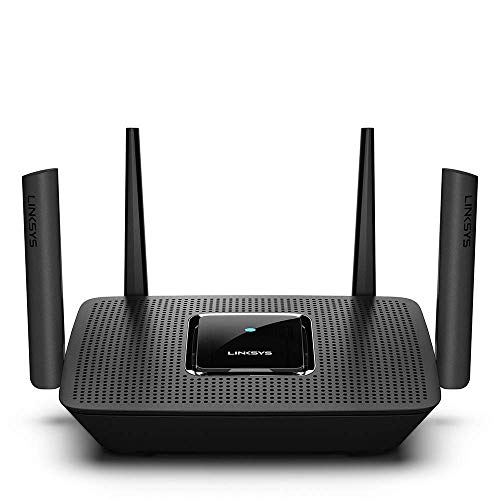 Linksys MR8300 Mesh Wi-Fi Router |
8.3/10 | Buy | |
| Best Premium |
 NETGEAR Nighthawk WiFi 7 Router |
8.3/10 | Buy |
| Best Value |
 Amazon eero 6+ mesh wifi router |
8.1/10 | Buy |
 NETGEAR Nighthawk WiFi 7 Router RS140 |
8.0/10 | Buy |
Find the active Wi-Fi network name without confusing it with the password
Look first for a label on the router or gateway, but treat it as a starting point rather than proof that the printed name is still active. If the network was renamed during setup, the current SSID is more likely to appear in the router’s app or administration settings. You can also check a device that is already connected to the home network. These checks help identify the network name without changing settings or resetting equipment.
An SSID is the wireless network name shown in a phone, laptop, tablet, or other device’s Wi-Fi list. The password, sometimes called a network key or passphrase, is entered after selecting that name. A router may broadcast separate names for different bands or create an additional guest network, so one physical router can be associated with more than one visible SSID. The exact labels and available controls vary by device and manufacturer.
Use these initial checks to narrow down which name belongs to your home network:
- Check the router or gateway label for a default Wi-Fi name, SSID, or wireless network name.
- Compare the label with the network names currently listed on a device near the router.
- Look in the router’s management app if the printed network name appears outdated.
- Check whether a separate guest network is enabled before choosing a name to join.
- Confirm the network belongs to your household before entering any password or account details.
Use the router label to find its original SSID
Router and gateway labels are commonly placed on the underside, rear, or another exterior surface. Look for wording such as “Wi-Fi name,” “SSID,” “wireless network,” or “network name.” A label may also show a password or a QR code for joining the network, but those are not the SSID itself. Read the nearby labels carefully so you don’t mistake the device’s serial number, account information, or password for the network name.
The printed SSID is most useful when the router is still using its original configuration. If the network name was changed, the label can show the former name instead of the current one. This can happen after an installer or household member customizes the network during setup. In that case, use an already-connected device or the router’s management interface to identify the name that is actually being broadcast.
A label may belong to a modem-router gateway rather than to a separate Wi-Fi router. If your setup has both a modem and a standalone router, check the router that provides Wi-Fi, not only the modem. The modem’s own label may identify its model or wired network details without identifying the wireless network created by the router. When the equipment’s roles aren’t clear, check the provider’s setup information or the manufacturer’s documentation before changing connections or settings.
Check a connected phone or computer for the current network name
A device already connected to your home Wi-Fi can show which SSID it is using. Open its Wi-Fi or network settings and look for the connection marked as current or connected. Menu names differ across operating systems and versions, so follow the device maker’s current instructions if the option isn’t obvious. This check is particularly useful when the router label shows a default name that no longer appears in the available network list.
Devices don’t all display network details in the same way. Some show only the connected name, while others provide additional information about the connection. You generally need the name to select the right network on a new device; you may separately need the Wi-Fi password to join it. Avoid sharing screenshots that reveal passwords or other private network details when asking someone for help.
Confirm the connected device is using the home network you intend to find. A phone may be connected to a guest SSID, a mobile hotspot, a workplace network, or another nearby network. If multiple names look alike, compare the device’s connection with the router app or ask the person who manages the network. A matching or familiar name by itself doesn’t prove that a network is yours.
Find a renamed SSID in the router app or administration settings
If the label and connected-device information don’t settle the question, use the router’s official app or administration interface. Look for a wireless, Wi-Fi, or network settings area, where the active SSID is generally displayed. Exact menu paths depend on the manufacturer, model, and software version, so don’t assume that instructions for another router apply. Consult the manufacturer’s guidance if you cannot identify the relevant screen.
Access to management settings may require an administrator account, and those credentials are distinct from the Wi-Fi password. Use the app or local management method documented for your own equipment. Don’t share administrator credentials, and don’t expose router administration to the public internet as a shortcut. If your provider manages the gateway, its app or support materials may be the appropriate place to check the wireless name.
Once you find the wireless settings, note the name without saving changes unless you mean to edit it. Changing an SSID can disconnect devices that remember the former name, requiring them to join the renamed network again. A network name change does not necessarily change the password, and editing one field should not be treated as editing the other. Follow the manufacturer’s instructions before applying a configuration change.
Tell separate bands and guest Wi-Fi apart
Some router configurations display one network name for devices to use, while others show separate names for different Wi-Fi bands. A router may also broadcast a guest SSID for visitors. Names can include terms or suffixes that help distinguish them, but naming conventions aren’t universal, so don’t infer a band or network purpose from a suffix alone. The management app or settings page can clarify which name corresponds to a main or guest network.
Choose the network intended for your device and use the matching password supplied by the network administrator. Guest Wi-Fi may have different access settings from the main home network. If a connected device can’t reach a printer or another local device, it may be on a guest network with restricted access, although other configuration or device issues can also explain the problem. Check the router’s documented settings rather than disabling security features to make devices communicate.
Before selecting a name that resembles your home SSID, check these distinctions:
- Compare the name with the active SSID shown by a device already connected to your home Wi-Fi.
- Check the router app for separate main, guest, or band-specific network names.
- Ask the household network administrator which SSID is intended for your device.
- Use the password associated with that specific network, not a device login or administrator password.
- Skip unfamiliar networks rather than assuming a similar name means they belong to your home.
When the SSID is missing from the available network list
A network name that doesn’t appear on a device isn’t necessarily evidence that the router is broken. The device may be too far away, the router may not be broadcasting that name, or the device’s Wi-Fi settings may need attention. A powered-off router, an interrupted internet connection, and a disabled wireless function are different possible conditions, and the visible symptom alone doesn’t identify which one applies. Check the router’s status and the device’s Wi-Fi controls before changing configuration.
Move closer to the router for a basic visibility check, especially if the device is in a room separated by walls or floors. If the SSID appears nearby but not in another location, placement, building materials, interference, or the device’s radio conditions may be involved. That observation does not establish a specific coverage limit. Actual Wi-Fi performance depends on the internet service, environment, placement, connected devices, and configuration.
If no expected network appears, check whether other devices can see or use it. When several devices have the same issue, inspect the router’s documented Wi-Fi status and service connection. When only one device is affected, its own Wi-Fi setting, software, or saved network information may be relevant. Keep these possibilities separate instead of assuming that changing the SSID will fix a connection problem.
Use safe checks before changing or resetting router settings
Start with checks that don’t alter the network: confirm the router has power, verify that Wi-Fi is enabled using the documented controls, and compare what multiple devices can see. If the management app reports an outage or an issue with the internet connection, the cause may involve the modem, provider service, or a connection between devices rather than the SSID. A router can broadcast a network name even when the internet service itself is unavailable, so network visibility and internet access are separate checks.
Restarting or resetting equipment can have different effects. A restart is not the same as a factory reset, which may erase personalized network settings and require setup again. Don’t press a reset control unless you understand its effect and have the manufacturer’s instructions for your model. Follow the equipment maker’s guidance for power connections and troubleshooting, and don’t open the router or power adapter.
Keep the router in a location that allows ventilation, and handle its power equipment as directed by the manufacturer. Don’t disable Wi-Fi encryption, firewall protections, or software updates as a routine attempt to make a name visible. If settings are managed by an internet provider, contact that provider or use its approved instructions before changing them. These precautions help avoid turning a simple identification question into a security or configuration problem.
Verify the name and password before joining another device
Once you identify the active SSID, select that exact name on the device you want to connect. Enter the corresponding Wi-Fi password only when prompted, checking capitalization and characters if the connection is rejected. A successful connection to the router’s Wi-Fi does not by itself confirm that internet service is working. Open a familiar service or check the router’s status to distinguish a Wi-Fi connection issue from a wider service interruption.
If the device keeps joining an old network name, remove or forget that saved network only if you can reconnect using the current credentials. The process varies by device, and forgetting a network does not change the router’s SSID or password. Make sure the current details are available before removing saved information. If the connection still fails, check whether the password, selected network, device Wi-Fi settings, router status, or internet service is responsible.
For security, use the network’s current password rather than the administrator password, and don’t post either one where others can see it. Keep management access limited to authorized people and use the router’s documented security settings. A distinct SSID can help household members recognize a network, but the name itself is not a security barrier. Protect access with the router’s supported security configuration and keep its software current according to manufacturer guidance.
For a quick confirmation, compare the SSID on the router’s label, a connected device, and the official management app, giving priority to the active app or connected-device information if the name was customized. Use the matching Wi-Fi password, and consult the manufacturer or provider if those sources conflict.
About the author

Daniela Hale is an editor focused on value and troubleshooting within mesh Wi-Fi routers and whole-home wireless networking. Daniela compares published specifications with real-world user reports to help readers avoid common buying mistakes.