
Can I Connect a Wifi Router to Another Router
Can I Connect A Wifi Router To Another Router Yes, two routers can share a network through an Ethernet connection or a supported access point mode. Learn the key setup differences for November 2026.
 By Owen Mercer
Updated November 19, 2026

A second router can join an existing home network, usually through an Ethernet cable or a supported access point mode. The answer to can i connect a wifi router to another router is yes, but the right configuration depends on what you want the second device to do. It might extend wired connectivity, provide another Wi-Fi access point, or create a separate network. Those arrangements are not interchangeable, and a poor configuration can cause connection conflicts.
Start by identifying whether the first device is a standalone router or a modem-router gateway, then check what operating modes the second router supports. If both devices route traffic independently on the same home network, devices may have trouble communicating across them, and network management becomes more complicated. A wired access point setup is often simpler when the goal is to add Wi-Fi coverage while keeping one main network, but the router’s instructions determine the available options. This two-router setup also depends on cable access, placement, and the settings exposed by each device.
| Award | Product | Mesh WiFi Routers Score About Mesh WiFi Routers ScoreMesh WiFi Routers Score is a comparison aid based on available product information, not a hands-on testing result. Read our review methods. | |
|---|---|---|---|
| Best Overall |
Ejoyous Wire Less Network Router
|
8.9/10 | Buy |
| Best Value |
 Keep Connect MAX Router Rebooter |
8.8/10 | Buy |
| Best Budget |
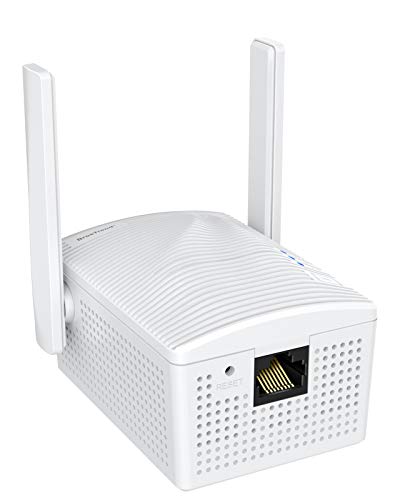 BrosTrend AC1200 WiFi to Ethernet Adapter Dual |
8.3/10 | Buy |
| Best Premium |
 NETGEAR Nighthawk WiFi 7 Router |
8.3/10 | Buy |
 Linksys MR20EC | Dual-Band Mesh WIFI 6 Router |
8.0/10 | Buy | |
 NETGEAR Nighthawk WiFi 7 Router RS140 |
8.0/10 | Buy |
Connecting a second router without creating network problems
You can connect routers, but first decide whether the second device should act as an access point on the existing network or as a separate router with its own network. For most households adding Wi-Fi in another area, a supported access point mode or a documented router-to-access-point configuration is the more straightforward goal. A second routing layer can be useful for a deliberately separate network, but it may complicate device access and troubleshooting.
The connection between the devices may be wired or, if both devices support a suitable feature, wireless. Ethernet is generally easier to reason about because it gives the routers a direct physical link, while wireless bridging and repeating depend on specific model capabilities and configuration. Do not assume that any two routers can create a wireless bridge simply because both provide Wi-Fi.
Before changing settings, identify the modem or gateway, the main router, and the device you want to add. Check their manuals for supported modes and the recommended port connections. Actual Wi-Fi speed and coverage depend on the internet service, environment, placement, connected devices, and configuration, so adding another router does not promise a particular improvement.
Use these checks to establish whether the planned arrangement fits your equipment and goal.
- Confirm whether the first device is a modem-router gateway or a separate modem and router.
- Check whether the second router supports access point, bridge, or another documented operating mode.
- Determine whether an Ethernet cable can reach the intended location without creating a trip hazard.
- Look up the manufacturer’s recommended ports and configuration before connecting devices.
- Decide whether devices on both sides need to share printers, storage, or other local resources.
Choose between access point mode and a second routed network
In access point mode, the added device provides Wi-Fi or wired network access while the primary router handles routing functions. The exact features that remain active vary by model, and some access point modes may disable settings that are available in full router mode. Follow the device’s documentation rather than assuming the menu names or behavior match another router.
A second routed network has a different purpose. The second router creates another network behind the first one, which can separate devices in some configurations but may prevent easy communication between devices on the two networks. Applications that rely on local discovery, shared printers, gaming connections, or incoming connections can be affected by network separation or address translation.
For a basic home extension, avoid choosing a separate routed network by accident. It is not automatically a security improvement, and it does not guarantee stronger coverage. If isolation is the actual goal, check the routers’ security and network-separation documentation, then confirm that the desired devices can still reach the services they need.
Identify the gateway, modem, and main router
A modem connects the home network to the internet service, while a router directs traffic between the local network and that connection. A gateway combines modem and router functions in one device. These labels matter because adding another router to a gateway can result in two devices both performing routing, unless the equipment is configured for a supported arrangement.
Check the device labels, service-provider documentation, and existing cable connections before unplugging anything. If the provider supplied a gateway, ask whether it offers a documented bridge mode or access point arrangement, and whether that change affects provider-managed services. Do not assume a setting called bridge mode has identical effects across manufacturers.
A standalone router usually connects to a modem or gateway through Ethernet, but the correct port and setup depend on the model. The second router may need a different connection when operating as an access point. Manufacturer instructions should take precedence over generic diagrams, especially when the gateway also provides voice, television, or other provider features.
Plan the physical connection and router placement
For a wired link, use an Ethernet cable and the ports specified in the manuals for the selected modes. A LAN-to-LAN arrangement is used in some access point configurations, while other products direct users to a dedicated access point mode or a particular uplink port. Those options are not universal, so do not treat one port arrangement as a rule for every router.
Place the added router where it can serve the intended devices, while keeping it within reach of the required wired connection if the setup depends on Ethernet. A second access point placed in a weak-signal location may simply repeat a weak connection, depending on how it connects to the main network. Walls, floors, interference, and nearby equipment can affect radio performance.
Wireless bridge or repeater modes avoid a cable between routers when supported, but their setup and behavior vary. Confirm the exact mode in both devices’ documentation, including whether the added device can use the required bands and security settings. If the model information does not confirm wireless linking, use a supported wired connection or consider a different network design instead of guessing.
Configure the second router with one clear network plan
Write down the current network name, connection type, and any settings you may need to restore before changing configuration. Use the manufacturer’s setup process to select access point or bridge mode when available. If the device requires manual configuration, follow its instructions for local network addressing and DHCP rather than copying values from an unrelated router guide.
DHCP assigns local network addresses to connected devices. In a typical single-router home network, the primary router provides that service. An access point configuration may require the added device’s DHCP server to be disabled, but some dedicated modes manage this automatically; the correct action depends on the model’s instructions.
Address conflicts can occur if two devices use the same local address, and competing DHCP servers can give devices inconsistent network settings. Do not make arbitrary address changes to solve an issue. Follow the manufacturer’s documented configuration, and contact the service provider if a provider-managed gateway setting is unclear.
Keep Wi-Fi names and security settings consistent
When two access points serve one home network, using the same Wi-Fi name and password may allow devices to connect across the coverage area, if both devices’ modes and security settings support that arrangement. Matching names do not guarantee seamless roaming, and client devices decide when to move between access points. A distinct name can make it easier to identify which access point a device has joined while testing.
Use a strong, unique administrator password and a protected Wi-Fi password. Select security options supported by the connected devices and recommended by the router manufacturer. Do not disable encryption or other protections as a routine troubleshooting shortcut, and do not expose router administration to the public internet.
Keep firmware and configuration changes within the manufacturer’s supported process. A reset can erase saved network settings, so use that option only when the documentation or support guidance indicates it is appropriate. Do not share administrator credentials with guests or enter them into untrusted setup pages.
Use this setup checklist before reconnecting household devices.
- Save or record the existing network settings using a secure method.
- Choose the documented access point or bridge mode if the goal is one home network.
- Connect the specified Ethernet ports, or verify wireless bridging support on both devices.
- Confirm that only the intended device provides DHCP for a single-network setup.
- Set a unique administrator password and maintain supported Wi-Fi security protections.
- Keep routers ventilated and follow the manufacturer’s instructions for power and placement.
Verify device access and diagnose connection failures
After configuration, connect a phone or computer near the added router and check whether it joins the expected network and reaches the internet. Then test a device farther away and confirm access to any local resources that should be shared. A successful Wi-Fi connection alone does not prove that every device can communicate across the intended network.
If clients connect to Wi-Fi but cannot reach the internet, check the Ethernet link, selected router mode, and the primary router’s internet connection. A service outage, modem issue, incorrect cable connection, or device setting can produce similar symptoms. Troubleshoot one change at a time so you can identify which adjustment affects the result.
If internet access works but local devices cannot see one another, check whether the routers have created separate networks or whether a guest network is involved. Guest-network isolation may intentionally limit access to other home devices. Consult the router documentation before changing isolation or firewall settings, since disabling protections can expose devices unnecessarily.
Weak or inconsistent Wi-Fi after adding a router does not by itself prove that the second device is faulty. Placement, interference, the service connection, client hardware, and the chosen wireless mode can all matter. Compare behavior near each router, inspect connection status in its administration interface, and check whether wired devices on the primary router have the same problem.
Know when another router is not the needed solution
A second router is not always the simplest answer to a coverage gap. A wired access point may be appropriate when Ethernet can reach the area, while a mesh system may be relevant when the home needs coordinated coverage and the selected system supports the intended arrangement. A Wi-Fi extender or wireless bridge serves different purposes, so check how each device connects and whether it supports the network features you need.
Adding hardware is unlikely to fix an issue caused by a service outage, an overloaded or damaged modem, or a problem limited to one client device. Check the internet connection at the main router and compare more than one device before changing the network. If the provider manages the gateway, ask about its supported configuration before placing another router behind it.
Keep the setup simple: use a manufacturer-supported access point arrangement for shared home Wi-Fi, or choose a separate routed network only when its separation is intentional. Verify internet access and local-device needs after configuration, and consult the equipment manuals whenever port or mode instructions differ.
About the author

Owen Mercer is a product editor whose work centers on compatibility and fit across mesh Wi-Fi routers and whole-home wireless networking. Owen emphasizes checking requirements, limits, and what works with what, so readers know a product suits their setup before they buy.