
How to Connect Wireless Router to Wifi
Connect a wireless router to an active internet connection by linking it to a modem or gateway, then configure Wi-Fi settings. November 2026
 By Victor Takahashi
Updated November 19, 2026

A wireless router joins your home devices to a local network and, through an internet connection, lets them access online services. To how to connect wireless router to wifi, first identify whether you mean connecting the router to the internet or connecting a device to the router’s Wi-Fi network. Those are related but different steps, and a router generally needs an active internet source, such as a modem or gateway, to provide internet access.
For a typical home setup, connect the modem or gateway to the router’s WAN or internet port with an Ethernet cable, then follow the router manufacturer’s setup instructions. After the router is configured, join a phone, computer, or other device to the Wi-Fi network using its network name and password. The exact setup method depends on the equipment and service, so check whether your provider’s gateway already includes routing and whether it needs a particular configuration. Keep the administrator password and Wi-Fi password private, and avoid assuming that a router alone supplies internet service.
| Award | Product | Mesh WiFi Routers Score About Mesh WiFi Routers ScoreMesh WiFi Routers Score is a comparison aid based on available product information, not a hands-on testing result. Read our review methods. | |
|---|---|---|---|
| Best Overall |
Mekupc WiFi Extender Dual Band AC1200
|
8.9/10 | Buy |
| Best Value |
 NETGEAR Nighthawk WiFi 6 Router R6700AX |
8.8/10 | Buy |
| Best Premium |
 Keep Connect MAX Router Rebooter |
8.8/10 | Buy |
| Best Budget |
 TP-Link AC1200 Gigabit Dual Band WiFi Router |
8.4/10 | Buy |
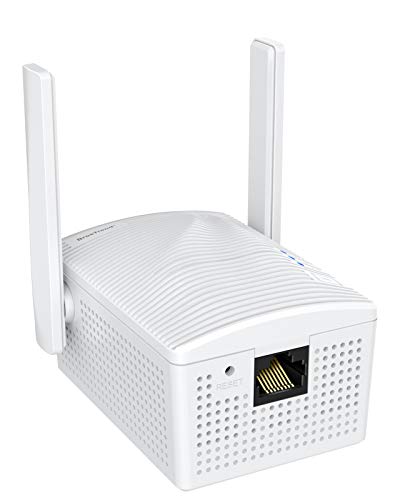 BrosTrend AC1200 WiFi to Ethernet Adapter Dual |
8.3/10 | Buy | |
 TP-Link WiFi Travel Router (WiFi 5) |
7.8/10 | Buy | |
 TP-Link AC1900 Smart WiFi Router Dual Band Router |
7.8/10 | Buy |
Connect the router to the internet, then join devices to Wi-Fi
Start by separating the two connections involved: the router’s connection to an internet source and each device’s connection to the router. A standalone router distributes a network connection, but it does not replace the modem or service that brings internet access into the home. If you have a modem-router gateway, some or all of those functions may already be combined in one unit. Check the labels on your equipment and the provider’s instructions before changing cables or settings.
These checks help identify which connection you are setting up and what equipment is involved.
- Confirm that your internet service is active and identify the modem or provider gateway.
- Find the router port labeled WAN, Internet, or a similar term before connecting a cable.
- Check whether one device combines modem and router functions instead of assuming two units are needed.
- Locate the manufacturer’s setup instructions for the router’s exact model and setup method.
- Keep the network name, Wi-Fi password, and administrator sign-in details distinct and private.
Identify the modem, gateway, and router roles
A modem connects a home to an internet service through the provider’s access network. A router creates and manages a local network, allowing connected devices to communicate and share an internet connection. A gateway combines functions that otherwise might be handled by separate devices. The equipment labels and provider documentation can clarify which role each box serves.
If your provider supplied a gateway with Wi-Fi, it may already be acting as the router. Adding a separate wireless router can be appropriate for some setups, but connecting both as routers without considering their configuration can create a double-router arrangement. That may complicate device discovery, gaming, remote access, or other network tasks. Do not change bridge mode or similar settings by guesswork; consult the provider and router instructions for the equipment involved.
Connect the router’s WAN port to the internet source
For a separate modem and router, connect an Ethernet cable from the modem’s Ethernet output to the router’s WAN or Internet port. The router’s LAN ports are generally intended for wired devices on the local network, so using one in place of the WAN port may not establish the expected internet connection. Follow the labels and the manufacturer’s setup directions, since port layouts differ between models.
Make sure the modem itself is connected to the provider’s service and appears to be operating normally before troubleshooting the router. A router cannot provide internet access if the upstream service is unavailable or the modem has not established a connection. If the provider requires activation or specific equipment settings, complete those steps using its guidance. Avoid opening equipment or altering electrical components.
Power up and complete the manufacturer’s initial setup
After making the cable connection, use the supplied instructions to power and configure the equipment. Some routers offer setup through a manufacturer app, while others use a web-based setup page or another documented method. Do not assume that every model uses the same address, app, sequence, or default settings. Use instructions for the particular device, and contact the manufacturer or provider if the setup prompts do not match your equipment.
During setup, you may be asked to create a Wi-Fi network name and password, set an administrator password, or confirm an internet connection type. Enter only information requested by the documented setup process. A Wi-Fi password lets devices join the wireless network; the administrator password controls router settings. Keeping those credentials separate and private helps reduce the chance that a guest or unknown person can change network configuration.
Use this sequence as a general checklist, while treating the manufacturer’s directions as the authority for model-specific steps.
- Connect the modem or gateway to the router’s WAN or Internet port when using separate units.
- Power the equipment as instructed and allow it to complete its documented startup process.
- Open the router’s official setup method, such as its listed app or setup page.
- Create a distinct administrator password and a Wi-Fi password that is not shared casually.
- Choose the documented Wi-Fi settings and save changes through the setup interface.
- Join a nearby phone or computer to the network and verify internet access.
Connect a phone, laptop, or other device to the new network
Once the router has finished configuration, open the Wi-Fi settings on the device you want to connect. Select the network name created during setup, or the name printed on the router if you have not changed it, and enter the corresponding Wi-Fi password. The device should then show that it has joined the local wireless network. To confirm internet access, open a familiar website or app rather than relying only on the Wi-Fi symbol.
Some devices remember an earlier network name or password and may try to reconnect using saved details. If a device rejects the password, check the spelling and capitalization, confirm the selected network, and remove an outdated saved network only if needed. A device can be connected to Wi-Fi while still lacking internet access, so distinguish a successful local connection from a working internet connection. If one device fails but others work, investigate that device’s settings before resetting the router.
Choose a safe location and protect router settings
Place the router in an open, reasonably central location when practical, rather than hiding it behind large objects or inside a closed cabinet. Walls, floors, distance, interference, connected devices, service conditions, and configuration can all affect Wi-Fi performance. Moving the router may help if placement is contributing to a weak connection, but it cannot resolve every coverage problem. Actual speed and coverage depend on the service, the home environment, device capabilities, and the network configuration.
Keep the router and power adapter in a location where ventilation is not blocked, and follow the manufacturer’s handling and placement guidance. Do not open the router or adapter, and do not modify electrical equipment. During setup, use supported security settings and replace any default administrator credentials when the manufacturer’s instructions allow. Avoid disabling encryption or other security protections as a routine troubleshooting shortcut.
Diagnose a router that connects but has no internet
A Wi-Fi connection without internet access can have several causes. The modem may have lost its provider connection, the service may be interrupted, the Ethernet cable may be connected to the wrong port, or the router may not have completed configuration. The affected device may also have a saved setting or its own connection problem. Check which devices are affected and whether the modem or gateway indicates a service connection, using its labels and provider guidance.
Inspect external cable connections without forcing a plug, then confirm that the modem-to-router cable links the expected ports. If every device lacks internet, the issue may be upstream of Wi-Fi, including the modem, provider service, or router configuration. If only one device is affected, reconnect that device to the network and check its Wi-Fi settings. Avoid repeatedly resetting equipment before checking whether a reset would erase provider or custom settings.
Separate weak Wi-Fi from an internet service outage
A weak signal in one room points to a different diagnostic path than a service outage affecting every connected device. Test a device near the router, then compare its connection in the problem area. A noticeable difference may indicate that distance, walls, floors, interference, or placement contributes to the issue. It does not by itself prove that the router is defective or that a specific replacement will solve the problem.
If the connection is slow everywhere, compare wired and wireless results only if you already have a suitable wired device and can do so safely. A wired connection that also lacks access can point toward the modem, service, or router’s internet connection, while wireless-only trouble may involve Wi-Fi conditions or device configuration. Results vary with the service plan, equipment, network activity, and test method. Contact the provider when its service connection appears unavailable, and consult the router manufacturer for device-specific configuration questions.
Use resets and firmware updates cautiously
A restart and a factory reset are not the same action. A restart turns equipment off and back on according to its instructions, while a factory reset can erase the network name, password, and other settings. Check the manufacturer’s guidance before using a reset control, and make sure you know how to restore any required settings. A reset is not a guaranteed fix for an outage or a faulty service connection.
Firmware updates can address device software issues, but apply them through the manufacturer’s documented method and do not interrupt the process unless its instructions say otherwise. Keep the router powered and handled as directed during setup or maintenance. Never share administrator credentials with someone who does not need access, and do not expose the administration interface to the public internet as a troubleshooting measure. Router security helps protect network access, but it does not replace safe practices on connected devices or the protections provided by an internet service.
Check the result before changing more settings
After configuration, confirm that the router shows a connection to its internet source and that a device can both join Wi-Fi and reach an online service. Test another device if the first one fails, and compare a location near the router with the area where you expect to use the network. These checks help distinguish a device-specific issue from a broader connection or coverage problem. They do not establish a guaranteed speed or coverage area.
If the router’s setup screen reports an error, follow the model-specific instructions rather than guessing at advanced settings. If the modem or gateway has no provider connection, contact the internet provider before treating the router as the cause. If service is working but wireless coverage remains limited, review placement and the home layout before deciding whether another network arrangement is necessary. The practical next step is to confirm the modem-to-WAN link, finish documented setup, and test a device with the correct Wi-Fi credentials.
About the author

Victor Takahashi is a product writer covering mesh Wi-Fi routers and whole-home wireless networking. Victor focuses on turning specification sheets and published test data into clear comparisons that help readers match a product to their budget and needs.