
How to Connect Apple Wifi Router? Connection Steps Explained
Connect an Apple device or AirPort router by identifying the equipment, linking it to the modem, and checking Wi-Fi settings. Guidance updated for November 2026.
 By Leila Lindqvist
Updated November 19, 2026

A working connection depends on whether you mean connecting an Apple device to Wi-Fi or connecting an Apple router to internet service. The phrase how to connect apple wifi router can describe either task, and the steps differ. For a phone, tablet, or computer, you join the network through its Wi-Fi settings; for an AirPort router, you connect the router to a modem or gateway and configure the network. Identifying which device you have prevents following instructions for the wrong setup.
First check the model and the equipment already installed: an internet modem, a combined modem-router gateway, or another router. An Apple device can join a Wi-Fi network created by many router brands, while an Apple router may need a separate modem and service that is active. The setup utility, available features, and exact menus depend on the model and its software, so follow the instructions for that equipment. This guide explains the general connection path, the checks that help isolate problems, and when a network issue may be outside the router.
| Award | Product | Mesh WiFi Routers Score About Mesh WiFi Routers ScoreMesh WiFi Routers Score is a comparison aid based on available product information, not a hands-on testing result. Read our review methods. | |
|---|---|---|---|
| Best Overall |
NETGEAR Nighthawk WiFi 6 Router R6700AX
|
8.8/10 | Buy |
| Best Premium |
 Keep Connect MAX Router Rebooter |
8.8/10 | Buy |
| Best Budget |
 TP-Link AC1200 Gigabit Dual Band WiFi Router |
8.4/10 | Buy |
| Best Value |
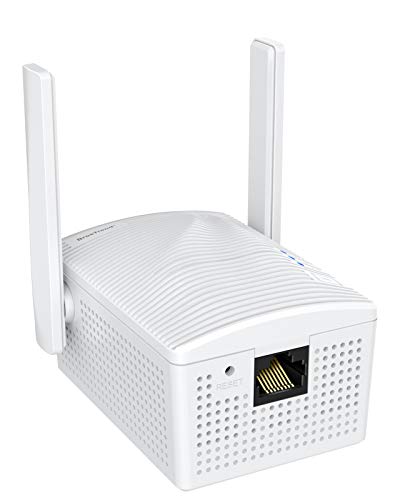 BrosTrend AC1200 WiFi to Ethernet Adapter Dual |
8.3/10 | Buy |
 Google Wifi - AC1200 - Mesh WiFi System |
8.3/10 | Buy | |
 Tenda AC1200 Smart WiFi Router |
8.0/10 | Buy | |
 NETGEAR Nighthawk WiFi 7 Router RS140 |
8.0/10 | Buy | |
 TP-Link WiFi Travel Router (WiFi 5) |
7.8/10 | Buy |
Connect an Apple device or Apple router to Wi-Fi
To connect an iPhone, iPad, or Mac to Wi-Fi, select the network name in that device’s Wi-Fi settings and enter its password when prompted. To connect an Apple router, connect its internet-facing port to a working modem or gateway, then configure the network using instructions for the exact model. These are separate tasks: the router creates or distributes network access, while the Apple device joins a network that is already available.
Before changing anything, identify whether the equipment is an Apple AirPort base station, an Apple device, or a router from another manufacturer. Also determine whether the internet connection currently reaches the modem or gateway. Apple’s older AirPort products have model-specific setup requirements, so a generic router procedure cannot establish that a particular model remains supported or is compatible with a particular service.
- Read the model label on the router or base station before choosing setup instructions.
- Check whether a separate modem or combined modem-router gateway provides the internet connection.
- Confirm that the service is active and the modem or gateway indicates an online connection.
- Locate the network name and password supplied by the router’s existing configuration.
- Use the manufacturer’s model-specific documentation for ports, setup utilities, and indicator meanings.
Distinguish an Apple device from an Apple AirPort router
An iPhone, iPad, or Mac does not need an Apple-branded router to join Wi-Fi. The device needs a functioning wireless network, the correct network name, and valid access credentials. If the network is hidden, restricted, or configured with settings the device cannot use, additional information from the network administrator or router documentation may be necessary.
An AirPort base station is a network device, not an internet service or modem by itself. Depending on the home’s equipment, it may connect to a separate modem or to a gateway supplied by the internet provider. A gateway may already provide routing and Wi-Fi, so adding another router can create a second network or require a configuration change. Check the gateway documentation before changing operating modes or disabling any feature.
Check the modem, gateway, and service connection
The internet path normally starts at the provider’s service connection, reaches a modem or gateway, and then reaches a router or wireless access point. Some homes have separate modem and router units; others use one gateway for both functions. A router without an active upstream connection can still broadcast a Wi-Fi network, but joining that network does not prove that internet access is available.
Look at the equipment and cables without opening a device or power adapter. Use the port labels and diagrams in the applicable manuals to identify the modem connection and any local network ports. Do not assume that a cable fits the correct port merely because the connector matches; the port’s role matters. Keep ventilation openings clear and follow the equipment maker’s instructions for electrical connections.
Connect the router and configure its network
For an Apple router, use the exact model’s installation documentation to determine how it connects to the modem or gateway and which setup utility or software applies. A model’s age can affect available software, security support, and configuration options. The supplied information here does not establish current support for any specific AirPort model, so verify that point with Apple’s documentation before relying on it for a new network.
Once the physical connection is made according to the manual, use the prescribed configuration process to set or confirm the network name and password. Avoid reusing a default administrator password, and do not share administrator credentials with people who only need Wi-Fi access. If the device offers guest access, that can provide a separate way for visitors to connect, but its availability and behavior depend on the equipment.
Keep the network security options enabled and select a security mode supported by the router and the devices that need access. Do not turn off encryption or firewall protections as a routine troubleshooting step. Firmware and setup changes should follow the manufacturer’s guidance, because an interruption or incorrect configuration can affect network access. If documentation is unavailable for an old device, avoid guessing at hidden settings or attempting unsupported modifications.
Join the Wi-Fi network from an Apple device
On an Apple device, open the Wi-Fi controls in system settings, choose the intended network, and enter its password. Menu names and locations can differ by operating-system version, so use the current device instructions if the controls do not match. A device may remember an old password or network configuration; confirming the selected network and credentials is a sensible first check before changing the router.
If the network appears but the device will not join, check that the password is entered accurately and that the device is within usable signal range. Confirm that other devices can connect to the same network, if available. If none can join, the router configuration or wireless service may be involved; if only one device fails, its settings or software may be the more relevant place to investigate. These clues narrow possibilities but do not prove a single cause.
Verify internet access separately from Wi-Fi access
After joining the network, open a familiar website or app to check whether internet access works. A successful Wi-Fi connection confirms a local wireless link, not that the provider’s service is reaching the home. If the device reports connected but internet service is unavailable, check the modem or gateway status and any provider outage information before resetting router settings.
Test with another device if one is available, and compare wired access when the equipment and setup allow it. If a wired device also lacks internet, the issue may involve the modem, gateway, provider, or router’s upstream connection rather than the Apple device’s Wi-Fi settings. If wired access works while wireless devices fail, focus on wireless configuration, signal conditions, or device compatibility. A single test is evidence to guide the next check, not a guarantee of the cause.
Address common connection failures without weakening security
Intermittent access can result from several different points in the connection: the service, modem, router, wireless environment, or client device. Walls, floors, distance, nearby wireless activity, device capability, and router placement can affect Wi-Fi performance. Moving equipment to a more open, central location may help if placement contributes to a weak signal, but actual coverage varies with the home and configuration. Do not expect a router change alone to resolve a provider or device problem.
Use this sequence to keep checks safe and focused.
- Confirm the provider connection and modem or gateway status before changing wireless settings.
- Check that the router-to-modem cable is seated in the documented ports at both ends.
- Verify the network name and password on the device that cannot connect.
- Compare another device to distinguish a network-wide issue from a single-device issue.
- Review the router’s manual before restarting equipment or changing configuration.
- Keep encryption, firewall protections, and administrator access safeguards enabled.
A restart can sometimes restore a temporary connection, but it will not repair a service outage or incorrect configuration. If the manufacturer recommends restarting equipment, follow its sequence and allow devices to return to their normal status before testing again. Avoid repeated factory resets: a reset can erase network settings and require setup from the beginning. Use one only when the model’s instructions or support guidance indicate it is appropriate.
Know when a router or network change is actually relevant
A replacement router is not automatically necessary when an Apple device cannot connect. First check whether the trouble affects one device, all wireless devices, or both wired and wireless connections. A problem limited to one client points toward its saved network settings, software, or wireless capability; a broader failure may require checking the router, gateway, modem, or service. These patterns help organize troubleshooting, but they are not definitive diagnoses.
If a separate router is added behind a provider gateway, consult both manufacturers’ instructions about the intended arrangement. Some gateway setups may need a specific operating mode, while other configurations can work without changes. Do not alter provider equipment or disable security functions based on a guess. Ask the provider or equipment maker when the required arrangement is unclear, particularly if internet service stops after a configuration change.
For an older Apple base station, assess whether its software, security options, and support status meet the needs of the network before making it the main router. The supplied details do not identify a particular AirPort model or establish its present capabilities. Check model-specific documentation and the provider’s requirements, and consider whether another existing router already performs the needed function. A network device should be selected or retained because it fits the actual connection requirements, not simply because the device being connected is made by Apple.
Protect access while maintaining the connection
Use a unique Wi-Fi password and a separate, strong administrator password where the equipment permits it. Keep administration limited to trusted people, and avoid exposing router management to the public internet. Guest access can reduce the need to share the main network password, but configure it according to the manufacturer’s instructions and review who has access.
Install firmware updates only through the manufacturer’s supported process and confirm the model before applying an update. An incorrect file or interrupted update can disrupt operation, so do not improvise with downloads from unrelated sources. If an old model no longer receives relevant updates, that limitation matters for a network connected to the internet. Check current manufacturer information rather than assuming that a device continues to receive software support.
Keep a record of the network name, Wi-Fi password, and configuration details in a secure place, not beside the router where visitors can read them. A password change can disconnect previously joined devices until each one is updated. If you change settings, make one change at a time and verify both local Wi-Fi access and internet access afterward. That approach makes it easier to identify which change affected the connection.
Start by identifying whether you are joining Wi-Fi from an Apple device or setting up an Apple router, then follow the exact model’s documentation and test internet access separately from wireless access. If those checks do not isolate the fault, contact the relevant provider or device manufacturer before resetting or replacing equipment.
About the author

Leila Lindqvist writes about Gaming Routers and Mesh WiFi Systems, with attention to key specifications, compatibility, features, and value. Leila reviews manufacturer documentation, independent test data, and customer feedback to explain how each factor affects everyday use.