
How to Connect a Second Wifi Router
Learn how to connect a second wifi router using an Ethernet access point setup or a separate router network, with configuration checks for November 2026.
 By Victor Takahashi
Updated November 19, 2026

A second router can extend wired network access or create a separate Wi-Fi network, depending on how you connect and configure it. For how to connect a second wifi router, first decide whether you want one network with an access point or a separate network behind the second router. An Ethernet cable between routers is usually the clearest starting point when the second device supports access point mode. Wireless repeating or bridge modes work differently, and their availability depends on the router.
The right setup depends on your existing equipment, internet service, and the problem you are trying to solve. A second router does not replace a modem when your internet service requires one, and connecting two routers without planning their roles can create addressing or connection issues. Check both manufacturers’ setup instructions before changing settings, especially if the first device is a provider gateway. The guidance below explains the main connection methods, configuration choices, security checks, and ways to verify whether the second router is working as intended.
| Award | Product | Mesh WiFi Routers Score About Mesh WiFi Routers ScoreMesh WiFi Routers Score is a comparison aid based on available product information, not a hands-on testing result. Read our review methods. | |
|---|---|---|---|
| Best Overall |
NETGEAR Nighthawk WiFi 6 Router R6700AX
|
8.8/10 | Buy |
| Best Premium |
 Keep Connect MAX Router Rebooter |
8.8/10 | Buy |
| Best Budget |
 TP-Link AC1200 Gigabit Dual Band WiFi Router |
8.4/10 | Buy |
| Best Value |
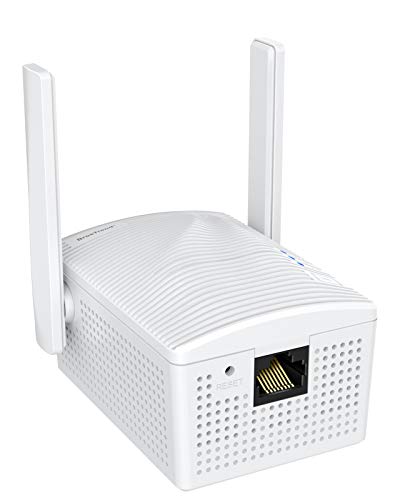 BrosTrend AC1200 WiFi to Ethernet Adapter Dual |
8.3/10 | Buy |
 Amazon eero 6+ mesh wifi router |
8.1/10 | Buy | |
 Tenda AC1200 Smart WiFi Router |
8.0/10 | Buy | |
 TP-Link WiFi Travel Router (WiFi 5) |
7.8/10 | Buy |
Connect a second router without creating network problems
For a straightforward extension of an existing wired network, connect the second router by Ethernet and configure it as an access point if that mode is supported. This lets the primary router continue managing the network while the second device provides another Wi-Fi access point or wired connections. If you need a separate network, a router-to-router connection using the second router’s WAN port may be appropriate, but it can introduce a second layer of routing. The equipment’s available modes and instructions determine the exact settings.
Start by identifying what the first device actually is: a standalone router, a modem-router gateway, or a modem connected to a router. A modem provides the connection to the internet service, while a router manages the local network; a gateway combines those roles. This distinction matters because the second router generally connects to the existing router or gateway, not directly to a modem unless the service and equipment instructions specify that arrangement. If you are unsure which box handles routing, check its label, administration interface, or provider documentation.
Choose access point mode or a separate routed network
Access point mode is usually the better fit when the goal is to add Wi-Fi coverage while keeping devices on the same home network. In this arrangement, the primary router remains responsible for assigning local network addresses and handling routing. The second device provides a connection point, commonly over Ethernet, rather than acting as another independent router. Some models offer a named AP mode that adjusts the needed behavior for you.
A separate routed network can make sense when you intentionally want devices behind the second router to form a distinct local network. The second router then routes traffic through the primary router, and devices on one side may not discover or directly reach devices on the other side. This arrangement can complicate printers, shared storage, casting, games, and remote access. It is not automatically a security improvement, so do not treat network separation as a replacement for strong passwords, encryption, and software updates.
Wireless bridge, repeater, or range-extender modes are different from a wired access point. They use a wireless link to connect back to the existing network, and the second router must explicitly support a mode that suits this purpose. A second device labeled as a router does not necessarily offer compatible wireless repeating with another brand or model. Consult both manuals rather than assuming that matching network names or a WPS button will create the intended setup.
Use this checklist to settle the network role before connecting cables or changing settings.
- Identify whether the primary device is a router, modem-router gateway, or modem.
- Confirm that the second router supports access point or the intended operating mode.
- Decide whether devices should share one local network or remain on separate networks.
- Check whether Ethernet can reach the second router’s planned location.
- Read the manufacturer’s instructions for port selection and initial configuration.
Prepare the primary router and second device
Before setup, note the primary network name, its security settings, and how you can access the router’s administration page or app. Keep administrator credentials private, and avoid leaving default login details in place if the manufacturer instructs you to change them. If the first device belongs to an internet provider, check with the provider before changing gateway settings. Some gateway configurations require a specific mode for a downstream router, but the correct setting depends on the equipment and service.
Place the second router where it can serve the intended area and where its connection method is practical. For a wired access point, the Ethernet run must connect the two devices; a weak wireless link cannot be fixed by moving the access point farther from its source. Keep equipment on a stable surface with ventilation unobstructed, and follow the manufacturer’s instructions for power and placement. Home construction, interference, nearby electronics, and the position of both routers can affect coverage.
Use these preparation checks to avoid confusing a cabling issue with a configuration issue.
- Confirm the primary router has an active internet connection before adding the second device.
- Use an Ethernet cable suitable for the router ports and the planned route.
- Locate the second router’s mode and port instructions in its manufacturer documentation.
- Record current network settings before making changes that could affect other devices.
- Keep the router’s power adapter and ventilation area clear as directed by its instructions.
Connect an Ethernet access point to the existing router
If the second router has an access point mode, use the manufacturer’s setup process to enable it. Connect the Ethernet cable to the ports specified in that device’s instructions; some models use a WAN port in AP mode, while other setups specify a LAN port. There is no universal port rule that applies to every router. Avoid guessing, because the wrong connection can leave the second device unreachable or create an unintended network arrangement.
Configure the access point’s Wi-Fi name and password according to the manual and your preference. Matching the primary router’s network name and password may make the network presentation simpler, but it does not guarantee that devices will move smoothly between access points. A different name can make it easier to tell which access point a device has joined while troubleshooting. Security settings should remain enabled, and the selected encryption option should be supported by the devices that need to connect.
If the second device lacks AP mode, a manual access point configuration may be possible, but the required steps vary. Some instructions involve disabling routing functions or setting a local address that does not conflict with the primary router. Do not apply generic settings without confirming that they match the device’s documentation. If the interface or instructions are unclear, pause and seek the manufacturer’s guidance instead of changing unrelated network options.
Set up a second router as a separate network
For a separate routed network, connect an Ethernet cable from a LAN port on the primary router or gateway to the WAN or internet port on the second router, if its instructions specify that topology. Then use the second router’s setup process to establish its network name, password, and administrator credentials. The primary router continues to connect to the modem or service gateway, while the second router serves its own local devices. The exact interface labels and configuration steps differ by manufacturer.
This arrangement may result in double network address translation, often called double NAT, because both routers perform routing. It can affect services that expect devices to connect directly, including some games, incoming connections, or device discovery. The impact is specific to the service and network configuration, so do not assume that every household will notice the same symptoms. If problems arise, confirm the topology and consult the router or service documentation before changing advanced settings.
Do not place the second router directly on a modem connection simply because an Ethernet port is available. A modem may provide only one device connection or require provider-specific activation, and it may not perform the routing functions the second device expects. Follow the service provider’s instructions for modem and gateway connections. If a gateway is already routing, its bridge or passthrough options should only be changed when the provider and equipment documentation support that configuration.
Configure Wi-Fi names, passwords, and administration safely
Give each network a strong password that is not reused from an unrelated account, and change the router administrator password from any default value as directed by the manufacturer. Wi-Fi encryption protects the wireless connection, while administrator credentials protect access to router settings; they serve different purposes. Keep firmware updates enabled or check for them through the official administration method. Updates can address software issues, but their availability and installation process vary by model.
A guest network can keep visitors’ devices separate from the main Wi-Fi network when the router supports that feature. Use the guest function as documented rather than sharing administrator access or exposing the router’s administration interface to the internet. Avoid disabling encryption, firewall protections, or updates as a routine troubleshooting step. If a device cannot join because it does not support a selected security option, consult the device and router documentation for a secure compatible configuration.
Keep a record of the network names and configuration changes in a private place, not in a location visible to visitors. If the router offers an app, use only the official application identified by its manufacturer. A factory reset can erase settings and interrupt other users, so use it only when the manufacturer’s guidance supports that step and you are prepared to configure the device again. Never open the router or its power adapter.
Verify connectivity and diagnose common failures
After configuration, connect a phone or computer to the second router’s Wi-Fi and check whether it can reach the local network and the internet. Test a wired device as well if the second router is intended to provide Ethernet access. Confirm that the primary router remains online, then compare behavior near each access point. A successful connection to Wi-Fi alone does not prove that the internet service, DNS, or every local device function is working.
If the second router has no connection, inspect the Ethernet cable at both ends and confirm that the selected ports match the manual. Check status lights or the administration interface for link or internet messages, without relying on a particular light pattern across different models. Restarting equipment may help after a cable or configuration change, but follow the manufacturer’s sequence and allow devices to finish starting. Avoid repeated resets that erase settings without identifying the underlying issue.
Several different causes can produce similar symptoms, so isolate them rather than assuming the second router is defective. A service outage, modem issue, primary-router configuration, damaged cable, weak wireless backhaul, or client-device setting can all affect the result. If devices connect to the primary network but not the second, focus on the second router’s mode, cabling, and Wi-Fi settings. If neither network reaches the internet, check the modem, gateway, and service status before changing the access point.
Interpret weak coverage without expecting a guaranteed fix
A second access point can help provide another place for devices to connect, but it cannot guarantee stronger service everywhere. Actual Wi-Fi performance and coverage depend on the internet service, home construction, router placement, interference, connected devices, and configuration. A wired connection between routers avoids relying on a wireless link for the access point’s connection to the primary router. If a cable is impractical, check whether a supported wireless mode or a mesh system better fits the layout.
Place an access point nearer the area that needs service, while keeping its connection to the primary network reliable. Putting it inside the same weak-signal area may leave the access point with a poor backhaul if it relies on wireless repeating. Try a practical location between the primary router and the affected area, then check the connection from the actual rooms and devices involved. Walls, floors, neighboring networks, and device antennas can make results differ from one location to another.
Separate Wi-Fi names can help identify which router a device is using during diagnosis. If the names match, some devices may remain connected to a distant access point longer than expected, depending on their own roaming behavior. Moving between access points is influenced by the client device as well as the network, so a shared name alone does not guarantee seamless transitions. Use the arrangement that makes connection selection and troubleshooting clear for your household.
Choose the next step based on the network goal
One device in a distant room may need a nearby access point, while a group of devices that must remain separate may call for a deliberately routed second network. A single wired device that needs Wi-Fi access may be better served by a wireless bridge or adapter rather than another router. These devices perform different roles, so confirm the intended function before purchasing or repurposing equipment. A mesh system is another option when coordinated coverage is the goal, but it is not required for every home.
The available product descriptions include routers with access point modes, a mesh device, a travel router with multiple modes, and a Wi-Fi-to-Ethernet adapter. Those labels describe different functions and do not establish that each device will work with every existing router or service. Check the exact model’s supported mode and connection instructions before deciding. Product specifications alone cannot predict how much usable coverage a particular home will receive.
If you need a related explanation of how wireless access points fit into a home network, an overview of Wi-Fi router options can help clarify the equipment roles. Keep the primary router’s configuration intact until the second device works in its intended role. For unresolved service or gateway questions, the internet provider or router manufacturer can confirm settings specific to that equipment.
Use access point mode with a documented Ethernet connection when you want an extension of the same local network; choose a routed setup only when separation is intentional. Verify the second router’s mode, port connections, and security settings against its manual, then test from the devices and rooms that matter. If the connection still fails, isolate the modem, primary router, cable, second router, and client device before resetting anything.
About the author

Victor Takahashi is a product writer covering mesh Wi-Fi routers and whole-home wireless networking. Victor focuses on turning specification sheets and published test data into clear comparisons that help readers match a product to their budget and needs.