
How to Connect to Wifi Router Admin
How To Connect To Wifi Router Admin means opening your router’s local settings page or app. Learn the connection checks, login steps, and safe troubleshooting in November 2026.
 By Tessa Castellano
Updated November 19, 2026

A router’s administration page is usually reached from a device connected to that router, using its local address or the manufacturer’s app. If you need to change a Wi-Fi name, password, or network setting, how to connect to wifi router admin depends on the router model and how its maker provides access. You do not need to expose the admin page to the public internet to manage a home network. Start by confirming that your phone or computer is connected to the correct Wi-Fi network, or use an Ethernet connection if available.
The login address, app, and credentials are not universal, so a familiar address from another router may not work for yours. Check the label, quick-start material, or manufacturer’s support information for the exact access method and default details, if applicable. A browser warning, failed login, or blank page can have different causes, including a wrong network, incorrect address, changed credentials, or a router that is not responding. The steps below explain how to identify the right route to the settings, protect administrator access, and distinguish router problems from internet-service problems.
| Award | Product | Mesh WiFi Routers Score About Mesh WiFi Routers ScoreMesh WiFi Routers Score is a comparison aid based on available product information, not a hands-on testing result. Read our review methods. | |
|---|---|---|---|
| Best Overall |
Ejoyous Wire Less Network Router
|
8.9/10 | Buy |
| Best Value |
 NETGEAR Nighthawk WiFi 6 Router R6700AX |
8.8/10 | Buy |
| Best Premium |
 Keep Connect MAX Router Rebooter |
8.8/10 | Buy |
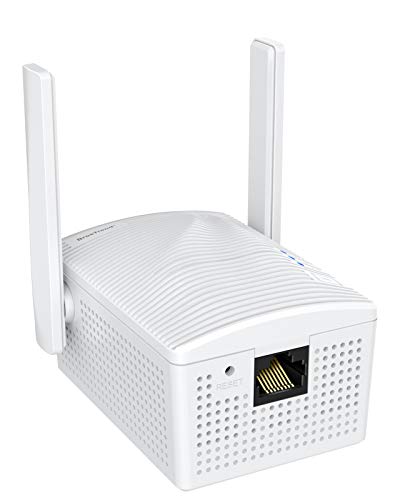 BrosTrend AC1200 WiFi to Ethernet Adapter Dual |
8.3/10 | Buy | |
 Amazon eero 6+ mesh wifi router |
8.1/10 | Buy | |
| Best Budget |
 TP-Link WiFi Travel Router (WiFi 5) |
7.8/10 | Buy |
Connect to the router’s local administration safely
To reach router settings, connect a device to the router’s own network and use the access method specified for that router, which may be a local address in a browser or a companion app. The administration interface is separate from the public internet and from the modem’s status page, although a combined modem-router gateway may provide both functions through one interface. If you are connected to a guest network, a mobile data connection, or a nearby network with a similar name, the local router page may not load. Identify the network and the equipment before changing settings.
Use this short checklist before opening a settings page.
- Confirm the device is connected to the Wi-Fi network managed by the router you intend to configure.
- Check the router label, manual, or manufacturer support page for its specific admin address or app.
- Use a wired Ethernet connection when practical if Wi-Fi access is unstable or unavailable.
- Keep the router’s administrator password private and avoid reusing the Wi-Fi password.
- Do not follow links from unfamiliar messages that claim to open your router settings.
Identify the router, gateway, and correct management method
A home network may include a modem, a separate router, or a provider-supplied gateway that combines modem and router functions. The device broadcasting the Wi-Fi network is often the most relevant starting point, but a separate modem can also have its own management page. Check the equipment labels and service-provider information rather than assuming that every box uses the same login. If your router is connected to a gateway, the router’s manufacturer instructions explain which interface controls the Wi-Fi settings you want.
Manufacturers provide different ways to administer their equipment. Some use a web browser and a local network address, while others direct users to an app or account-based setup process. A product name alone does not establish its address, login, or available settings, so verify the instructions for the exact model. For example, the listed information for some products covered here describes app-based network management, but it does not establish a universal browser address or credential.
Open the local settings page from a connected device
If the manufacturer specifies a browser address, enter it directly in the browser’s address field while connected to the router’s network. Do not treat a search-engine result as the router’s local page, and do not guess credentials based on another brand. If the router uses an app, install or open the official app identified in its documentation and follow the stated sign-in and setup process. The exact screens, labels, and login requirements differ by model and may change with software updates.
A page that fails to open does not necessarily mean that the router has no administration interface. First check whether the device is using mobile data instead of Wi-Fi, joined to a guest network, or connected to a different router. Then verify the address against the device’s documentation and ensure that the router is powered and operating. If the manufacturer provides an app, try its documented method rather than repeatedly guessing a browser address.
Some networks contain multiple access points or mesh units, but they are generally managed through the system’s designated interface rather than through an arbitrary unit address. A standalone router, mesh system, travel router, and modem-router gateway may each handle management differently. Do not assume that a Wi-Fi extender or Ethernet bridge provides administrative access to the main router. Identify which component you need to configure, then use that component’s own instructions.
Sign in without weakening network security
Use the administrator credentials supplied or created during setup, following the manufacturer’s guidance. An admin password controls network settings and is distinct from the password that lets household devices join Wi-Fi. If the credentials were changed, the original defaults may no longer work. Avoid sharing admin credentials with guests or entering them on a page unless you have verified that it belongs to your local router or its official app.
After signing in, make only the changes you understand and save them according to the interface’s instructions. A Wi-Fi name or password change can disconnect connected devices, which then need to join the network again with the updated details. Administrative changes can also interrupt a connection or alter how devices reach the internet. If you are unsure what a control does, check the manufacturer’s documentation before applying it.
These account and network checks help keep administration private.
- Replace a default administrator password when the manufacturer’s setup guidance calls for it.
- Choose a unique password for administration instead of reusing the wireless network password.
- Keep router firmware and its companion app current using the documented update method.
- Leave encryption and other security protections enabled unless official guidance explains a specific change.
- Avoid enabling remote administration from the internet unless there is a clear need and the manufacturer explains the risks.
- Review guest-network settings separately from administrator access when sharing Wi-Fi with visitors.
Separate a local admin login issue from an internet outage
The router’s local settings page may remain accessible even when the internet service is down, because local management and internet access are different functions. Conversely, a working internet connection does not guarantee that the address or app being used is correct. If the settings page opens but websites do not, the cause could involve the modem, service provider, router configuration, or a connected device. Treat the symptoms separately before changing settings.
Check whether other devices on the same network can reach the local interface and whether they can access the internet. If only one device cannot open the page, its network connection, browser, or app may be involved. If every device has trouble reaching the admin interface, verify the router’s power, network name, and documented access method. Avoid repeatedly rebooting equipment during a firmware update, and follow the manufacturer’s guidance for any restart or recovery action.
A successful sign-in can still show limited controls if another device manages the network or if the account lacks the needed permissions. Provider-supplied equipment may have settings controlled or documented by the provider. When the interface does not match the instructions, confirm the exact model and software version before proceeding. That helps avoid applying directions intended for a different router or gateway.
Resolve common browser, app, and credential failures
Start with low-risk checks: reconnect to the intended network, confirm the local address, and close and reopen the official management app if one is specified. If a browser displays a privacy or connection warning, do not dismiss it automatically; verify that you entered the documented local address and consult the router’s instructions. A warning can have multiple explanations, and its presence alone does not prove that the connection is unsafe. Avoid entering credentials on an unexpected page.
If a password is rejected, check whether the router’s administrator password differs from the Wi-Fi password and whether setup previously changed the default. Do not keep trying guessed passwords or use credentials supplied by an unknown source. If the current administrator credentials are unavailable, consult the model’s official recovery guidance. A factory reset may erase network names, passwords, and other settings, so do not use it casually or without understanding the consequences.
Reset and recovery steps are model-specific. Follow the manufacturer’s instructions and account for any provider configuration that may be needed to restore service. Do not open the router or its power adapter, modify electrical equipment, or block ventilation while checking connections. If the router or power supply appears damaged, stop using it and contact the manufacturer or service provider for appropriate direction.
Make changes carefully and confirm the result
Before changing a setting, note its current value when that is practical and safe, and read any on-screen description. Save one change at a time so it is easier to identify which adjustment affected the network. Some changes take effect immediately, while others may require reconnection or a restart specified by the manufacturer. Do not interrupt a firmware installation or power cycle equipment unless the instructions direct you to do so.
After saving a change, confirm that the admin interface still responds and that a connected device can join the Wi-Fi network. Check the internet connection separately, because successful Wi-Fi association does not establish that the provider service is working. If you renamed the network or changed its password, reconnect devices using the new details. A result on one device may not prove that every device or room has the same connection quality.
Router performance and coverage depend on the internet service, placement, home construction, interference, connected devices, and configuration. An administration login can help you change settings, but it cannot by itself repair an outage beyond the router or resolve every weak-signal condition. If the interface is accessible but the original issue remains, check the modem and service status and review the relevant manufacturer or provider guidance. For a recurring connection interruption, a router and home Wi-Fi overview can help clarify which network component is responsible.
Use the router’s documented local address or official app from a device on its network, then sign in with private administrator credentials. If access still fails, verify the device, connection, model-specific instructions, and recovery options before resetting anything.
About the author

Tessa Castellano covers Outdoor WiFi and Whole-Home WiFi for readers who want practical setup advice. Tessa concentrates on requirements and common limitations, and on explaining them in plain language.