
How to Fix Netgear Router Wifi
A practical troubleshooting path for how to fix netgear router wifi checks power, modem status, placement, settings, and device-specific causes. Updated November 2026.
 By Owen Mercer
Updated November 19, 2026

If your home Wi-Fi has slowed, dropped, or disappeared, start by checking whether the problem affects one device or the whole network. How to fix NETGEAR router Wi-Fi depends on where the connection fails, since the router, modem, internet service, device, and wireless environment can produce similar symptoms. A careful sequence of basic checks can help narrow the cause without changing security settings or replacing equipment unnecessarily. Begin with visible status indicators and connection behavior before resetting anything.
Separate the internet connection from the wireless connection: a device may connect to Wi-Fi while the router has no working internet access. A wired device can help distinguish a wireless issue from a modem, service, or router-to-modem problem, if you have one available. The listed NETGEAR options include standalone routers, modem-router equipment, and extenders, which serve different roles and do not share identical setup steps. For broader context about home Wi-Fi router types, consider how your existing modem and service connect before changing network settings.
| Award | Product | Mesh WiFi Routers Score About Mesh WiFi Routers ScoreMesh WiFi Routers Score is a comparison aid based on available product information, not a hands-on testing result. Read our review methods. | |
|---|---|---|---|
| Best Overall |
Netgear Nighthawk WiFi 6 Router 5-Stream AX3600
|
9.2/10 | Buy |
| Best Premium |
 NETGEAR Nighthawk DOCSIS 3.1 Modem Router Combo |
9.2/10 | Buy |
| Best Budget |
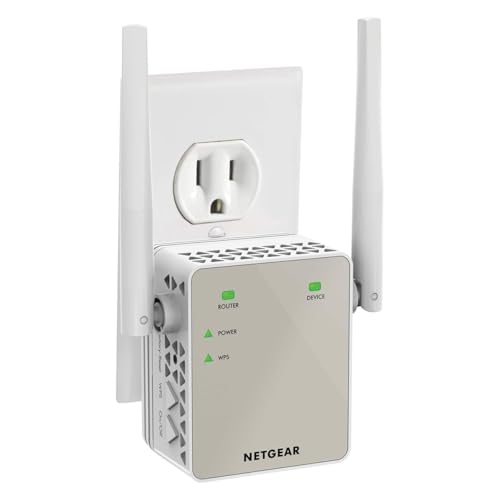 NETGEAR WiFi Extender EX6120, up to 1,500 sq ft |
8.8/10 | Buy |
 NETGEAR Nighthawk WiFi 6 Router R6700AX |
8.8/10 | Buy | |
 NETGEAR Nighthawk WiFi 7 Router |
8.3/10 | Buy | |
| Best Value |
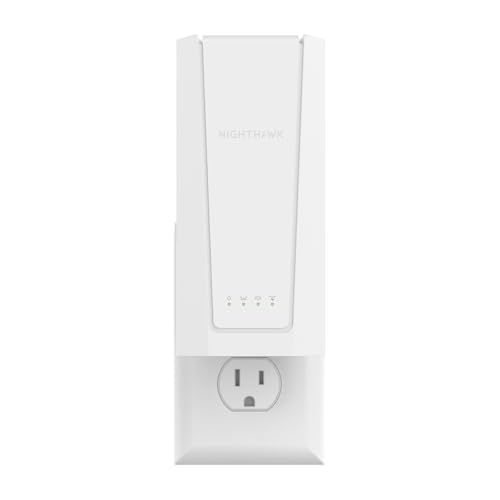 NETGEAR Nighthawk WiFi 7 Extender EXS27 |
8.1/10 | Buy |
Diagnose NETGEAR Wi-Fi problems before changing settings
Work from the simplest explanation toward configuration changes: identify which devices are affected, check the modem and router connection, then examine placement and settings. If only one phone or computer has trouble, its Wi-Fi setting or software may be responsible rather than the router. If every device loses access at once, investigate the modem, service status, router power, and cabling as well as wireless settings. Avoid assuming that a router fault is the cause until those parts are separated.
Keep track of what changes as you troubleshoot. Note whether the network name is visible, whether devices connect, whether internet access works, and whether the issue appears in one room or everywhere. These observations help distinguish a missing wireless signal from a connected network without internet. They also make it easier to explain the problem to your provider or consult the instructions for the exact equipment.
Use this initial checklist to narrow down the fault without wiping configuration:
- Check whether more than one device has the same Wi-Fi or internet problem.
- Confirm the router and modem have power and appear connected as expected.
- Look for a visible network name on a device close to the router.
- Check whether an Ethernet-connected device can access the internet, if available.
- Record any recent outage, wiring change, update, or settings change.
Tell a Wi-Fi fault from a modem or service outage
A Wi-Fi connection and an internet connection are related but distinct. Wi-Fi links a device to the router; the modem or gateway links the home network to the provider’s service. A device can show that it is connected to the router even while the provider connection is unavailable. Conversely, internet service may be active while a wireless setting or signal problem prevents a device from joining.
Check the modem or gateway indicators and the router’s connection indicators against the documentation for the exact model. Light meanings differ by product, so a color or blinking pattern should not be interpreted without the manual. If the provider reports an outage, changing router settings is unlikely to restore service. If the modem appears offline after a service interruption, follow the provider’s recovery instructions before considering a router reset.
Standalone routers generally connect to a separate modem or gateway through Ethernet. A modem-router combo performs both roles, so restarting or changing one device can affect the full network. An extender is different again: it rebroadcasts an existing router’s signal and does not replace the router or restore an unavailable internet service. Identify which device is responsible for each connection before unplugging cables or changing its configuration.
Check router power, cabling, and the network name
If no device can see the network name, check that the router is powered and that its wireless function has not been disabled in settings. Confirm that any Ethernet cable between a standalone router and modem is firmly connected at both ends and attached to the intended ports. Do not force connectors or rearrange unfamiliar wiring. Follow the model’s instructions, particularly when the router and modem are part of a provider-managed gateway.
If the network name appears but devices reject the password, confirm the saved password and network selection rather than repeatedly resetting the router. A device may remember an old password after a network name or password change. Forgetting the saved network on that device and reconnecting with the current credentials can address that mismatch, but check the device’s own instructions. Do not share administrator credentials or use an unchanged default password.
Some gateways combine routing and modem functions, while other homes use a separate router and modem. Running two routing functions can create configuration complications, but the correct arrangement depends on the equipment and service. Some supplied router descriptions note that a gateway may require bridge mode; do not enable it based only on a general rule. Verify the exact model guidance and provider requirements before changing this mode.
Use placement and room-specific symptoms as clues
A weak signal in one room points toward a different cause than a network that disappears throughout the home. Walls, floors, building materials, nearby wireless devices, and router position can affect reception. Place the router in an open, central location when practical, rather than inside a closed cabinet or behind large obstructions. Keep ventilation openings clear and follow manufacturer placement guidance.
Compare the connection in the affected room with the connection near the router. If nearby devices work but a distant device struggles, the service itself may be functioning while signal conditions limit that location. Moving the router may help if placement is contributing to the problem, but it cannot guarantee coverage in every layout. A mesh system or access point may be relevant for persistent coverage limits, though first confirm that the router is working normally.
Extenders can relay a router’s signal into another area, but their position matters: they need a usable connection to the original network. Placing one in the dead zone may leave it with too weak a signal to relay effectively. An extender also cannot fix a provider outage, incorrect router password, or failing modem connection. Check its documentation for placement and setup rather than treating it as a universal remedy.
Resolve a problem isolated to one phone, computer, or console
When one device fails and others connect normally, start with that device. Confirm Wi-Fi is enabled, airplane mode is off, and the device is attempting to join the correct network. Restarting the device can clear a temporary connection problem. Check for operating-system or Wi-Fi adapter instructions from the device maker before changing advanced network settings.
Older devices may support different wireless capabilities than newer routers, and a device’s saved network settings can also interfere with reconnection. Do not assume the router is incompatible merely because a single device has trouble. Check the router and device documentation for supported bands and security options if the issue persists. If only a particular band or network name is affected, note that distinction before adjusting settings.
For a wired device, inspect the Ethernet connection and try another suitable cable if one is available and the manufacturer’s instructions permit it. A successful wired connection alongside failing Wi-Fi points toward a wireless or device configuration issue, but it does not prove a specific component is defective. A failed wired connection could involve the router port, cable, modem, or service. Repeat checks methodically rather than changing several settings at once.
Review network settings without weakening protection
Check that the Wi-Fi network is enabled and that its name and password match the details saved on household devices. If you recently changed either value, reconnect devices using the current credentials. A guest network may have separate access controls, so confirm that a visitor or smart device is joining the intended network. Keep administrator access private and use a strong, unique password for router management.
Do not routinely disable encryption, firewall protections, or automatic updates to troubleshoot a connection. Such changes can expose devices or remove protections without addressing the underlying fault. If you suspect a security setting is preventing an older device from connecting, consult the router and device documentation for supported options. Use the strongest mutually supported security configuration rather than leaving the network open.
Firmware updates can address software issues, but an update should be handled according to the manufacturer’s instructions for the exact model. Confirm that you have selected the correct equipment and avoid interrupting an update in progress. If the router is provider-managed, check with the provider about update handling. A router restart and a factory reset are not interchangeable: a reset may erase network names, passwords, and other custom settings.
Apply low-risk checks in a useful order
Make one change at a time so you can tell whether it affected the symptom. Follow the manufacturer’s instructions when restarting equipment, and avoid disconnecting cables whose role is unclear. The following sequence keeps routine checks separate from actions that can erase settings:
- Test a second device and compare its connection with the affected device.
- Check provider status before changing local network configuration.
- Inspect power and Ethernet connections without forcing or modifying equipment.
- Move closer to the router to compare signal behavior with the distant room.
- Review saved Wi-Fi credentials and reconnect only the affected device.
- Consult model-specific guidance before updating firmware or changing gateway modes.
A restart may clear a temporary state, but it will not repair a damaged cable, a service outage, or poor placement. Follow the model’s documented restart procedure instead of repeatedly cycling power. If the issue returns, note the pattern and what devices are affected. Those details are more useful than making several untracked changes.
Reserve a factory reset for persistent configuration problems
A factory reset removes customized settings and may require the network to be configured again. Before using one, make sure you have access to the setup instructions and the information needed to reconnect the router to the modem or service. Consider whether a provider or household administrator manages the equipment. A reset is not the first response to a temporary outage or a single-device problem.
Use only the reset method described by the manufacturer for the exact router. Do not open the router or power adapter, modify electrical equipment, or improvise a reset procedure. Afterward, create a unique administrator password and configure Wi-Fi security according to the manual. Reconnect devices with the new network details and confirm that the modem or service connection is active.
If configuration changes do not resolve the problem, restore only settings you understand and can verify. Provider-specific connection requirements may be needed, especially for a modem-router combo or managed gateway. Do not guess at service credentials or change advanced values simply because they appear relevant. The provider or manufacturer can clarify which settings apply to the specific setup.
Verify the result and identify when outside help is needed
After a change, test the same devices and locations that showed the original problem. Check whether devices can join Wi-Fi and whether they can reach the internet, since those are separate outcomes. Test close to the router and in the affected room, and note whether the improvement holds. Real-world speed and coverage depend on the internet service, placement, building environment, connected devices, and configuration.
If all devices remain offline despite normal local connections, contact the internet provider to check the service and modem status. If only wireless access fails across multiple devices, consult the router manufacturer’s model-specific support guidance. If one device remains affected, use that device maker’s network troubleshooting instructions. For a related connection issue, a router and home Wi-Fi overview can help distinguish the equipment roles before you escalate.
Keep the exact model name, the affected devices, indicator behavior, and steps already tried available when seeking support. Avoid buying replacement equipment until you know whether the fault is the router, modem, service, device, or signal environment. Start with the least disruptive check that matches the symptom, then verify the result before moving to a reset or configuration change.
About the author

Owen Mercer is a product editor whose work centers on compatibility and fit across mesh Wi-Fi routers and whole-home wireless networking. Owen emphasizes checking requirements, limits, and what works with what, so readers know a product suits their setup before they buy.