
How to Reset Netgear Wifi Router: Safe Reset Steps
A factory reset can restore default router settings, but it erases custom network details. Learn how to reset Netgear Wi-Fi router safely in November 2026.
 By Owen Mercer
Updated November 19, 2026
If your home network keeps dropping or you can’t access a setting, first decide whether a restart or a factory reset fits the problem. How to reset Netgear Wi-Fi router depends on whether you want to reboot the device or erase its saved configuration. A restart normally interrupts service briefly while the router powers back up, whereas a factory reset returns settings to their defaults. That distinction matters because the reset can remove your Wi-Fi name, password, and other custom choices.
Before changing anything, check whether the issue affects one device or every device, and whether the modem or internet service may be involved. A reset won’t repair an outage from your provider or a fault with a separate modem, and it may create extra setup work if you don’t have the original service details. Note any settings you may need to restore, and consult the instructions for your exact router model because button locations and reset procedures can differ. Keep the router’s power connected as directed by its manufacturer, and avoid opening the router or its adapter.
| Award | Product | Mesh WiFi Routers Score About Mesh WiFi Routers ScoreMesh WiFi Routers Score is a comparison aid based on available product information, not a hands-on testing result. Read our review methods. | |
|---|---|---|---|
| Best Overall |
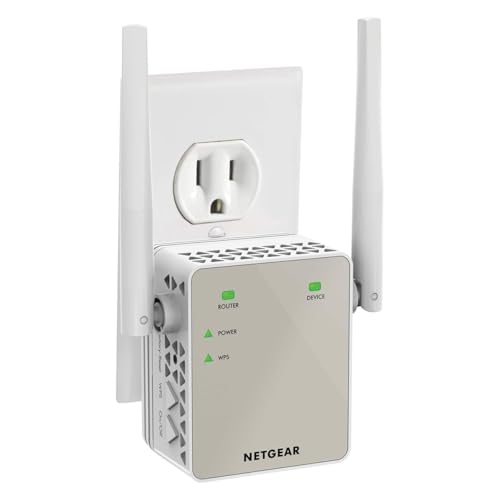
NETGEAR WiFi Extender EX6120, up to 1,500 sq ft
|
8.8/10 | Buy |
| Best Budget |
 NETGEAR Nighthawk 5-Stream AX5 WiFi 6 Router |
8.8/10 | Buy |
| Best Value |
 NETGEAR Nighthawk WiFi 6 Router R6700AX |
8.8/10 | Buy |
| Best Premium |
 NETGEAR Nighthawk WiFi 7 Router |
8.3/10 | Buy |
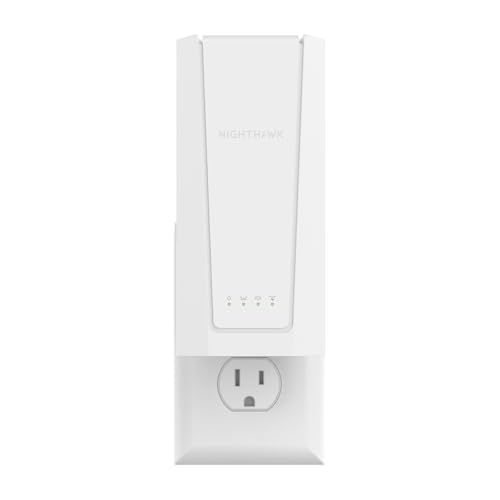 NETGEAR Nighthawk WiFi 7 Extender EXS27 |
8.1/10 | Buy |
Resetting a NETGEAR router without losing track of the cause
A NETGEAR router reset is appropriate when you need to clear its saved configuration, but it should not be the first response to every Wi-Fi interruption. Start by identifying whether you need a temporary reboot, a change to one setting, or a factory reset that clears custom settings. The right choice depends on the symptom and on whether you can configure the network again afterward. Since NETGEAR models differ, use the product manual or support material for the exact model rather than assuming one button procedure applies to all.
A reset is a configuration action, not a repair for every connection problem. A router, modem, internet service, connected device, and radio environment can all contribute to similar symptoms, such as slow loading or a lost connection. A factory reset can remove saved configuration without changing an outage or a weak signal caused by placement. Keep the distinction in mind before deciding that erasing settings is necessary.
Use these checks to narrow the task before touching a reset control.
- Check whether one device or several devices have lost their connection.
- Look for signs that the modem or internet service is also offline.
- Try a normal restart if the goal is only to refresh a temporary connection state.
- Find the exact router model and its manufacturer instructions before a factory reset.
- Record custom Wi-Fi and network settings that you may need to recreate.
Restarting and factory resetting solve different problems
A restart powers the router down and back up without intentionally returning its settings to factory defaults. This can be a reasonable first check for a temporary issue, particularly when the network has stopped responding but configuration changes are not needed. Follow the model’s instructions for a restart, and allow the router time to return to normal operation before judging the result. A restart does not guarantee that a service, signal, or hardware problem will be resolved.
A factory reset is more disruptive because it clears saved configuration and restores default settings. The precise information removed can vary by model and setup, so check the manual before proceeding. Plan for the possibility that you will need to set a network name and password again, re-enter internet connection details, or recreate features such as guest access. If you cannot identify the information needed to reconnect the router, pause and obtain the provider or manufacturer guidance first.
Changing an individual setting is often preferable when a single option is causing trouble and you can still sign in to the router’s administration interface. For example, if the problem followed a recent configuration change, reverting that particular change may be less disruptive than erasing the entire setup. Make one change at a time and note the original value when practical. If access to the administration interface is unavailable, the model’s support instructions can help determine whether a reset is appropriate.
Identify the router, modem, and service before resetting
Many home networks use a separate modem and router, while some setups use a combined modem-router gateway. A router distributes a local network connection to wired and wireless devices; a modem or gateway connects that network to the internet service, depending on the equipment arrangement. Resetting the router does not necessarily reset a separate modem, and resetting the wrong device can complicate diagnosis. Check labels, model numbers, cables, and provider documentation to identify each device.
Also establish whether your NETGEAR router connects to a provider gateway rather than directly to a standalone modem. Some gateway arrangements use a bridge mode or other configuration, and a factory reset could remove settings that were put in place to make the two devices work together. Don’t change those modes based on guesswork. Ask the internet provider or consult the gateway and router instructions when the original arrangement is unclear.
Before a full reset, make sure you can recover the details required to bring the connection back.
- Locate the model number on the router or its documentation.
- Confirm whether the internet connection uses a separate modem or a gateway.
- Keep provider account or connection information available if setup requires it.
- Write down the existing Wi-Fi name and password if you intend to reuse them.
- Note custom settings such as guest access or device-specific network rules.
- Check the manufacturer’s instructions for the model-specific reset method.
Prepare for the configuration changes a factory reset can cause
A reset may disconnect every device using the router, including computers, phones, televisions, and smart-home equipment. Devices that were configured to join a custom network name may not reconnect automatically if the router returns to a different default name. If you restore the former name and password, some devices may reconnect, but that depends on the device and on how the network was configured. Be prepared to update each device that does not rejoin.
Think through remote access before resetting. If the router provides the only internet connection for a remote worker or household member, the network may remain unavailable until setup is complete. A person who is away from home may not be able to help restore the connection if the reset removes access details or custom administration settings. Schedule the change for a time when you can work through the manufacturer’s setup guidance and verify the result.
Don’t assume that a reset will preserve provider-specific or optional settings. Some configurations may have been supplied by an installer, internet provider, or previous administrator, and their details may not be obvious from the Wi-Fi password alone. If your service requires particular connection information, confirm how to retrieve it before clearing the router. When you are unsure what a setting does, get model-specific or provider guidance rather than experimenting with unrelated controls.
Follow model-specific NETGEAR reset instructions
NETGEAR router models may differ in the location and labeling of controls and in the exact reset procedure. Find the full model name and number, then use the official instructions written for that device. This article cannot establish a universal button sequence or duration, so don’t rely on a procedure intended for a different model. Follow the manufacturer’s directions about whether the device should be powered on and how to recognize that the reset has completed.
Some routers have a control intended for restoring factory settings, but its appearance and operation are model-dependent. Avoid pressing an unidentified control or holding buttons based on an assumed timing. A mistaken action could interrupt the network or change a different function, while an incomplete reset may leave the original problem unresolved. If the control label is unclear, refer to the model manual or contact NETGEAR support for instructions.
Keep the router in a stable, ventilated location while following the procedure, and handle its power connection as the manufacturer directs. Don’t open the router, its power adapter, or other electrical equipment. Don’t block ventilation openings or use a damaged power supply. If the router or adapter appears damaged, stop and seek appropriate manufacturer guidance rather than attempting an electrical repair.
Set up network access after the reset
After the router finishes its model-specific reset process, use the manufacturer’s setup instructions to reconnect it to the modem or gateway and configure the network. The steps depend on the equipment and internet service, so a generic sequence cannot safely cover every installation. If a setup application or administration page is used, confirm that it corresponds to your exact model and follow its current prompts. If the router cannot establish an internet connection, check provider requirements before changing additional settings.
Choose a distinctive administrator password rather than leaving an easily guessed default in place. The router administration password and the Wi-Fi password serve different purposes: one controls configuration access, while the other allows devices to join the wireless network. Use the security options recommended by the manufacturer and avoid disabling encryption or other protections as a routine troubleshooting step. Store credentials somewhere secure so they are available for later maintenance without being shared casually.
Recreate only the settings you actually need, such as a guest network or a custom network name. Re-entering every former setting without knowing its purpose can bring back a configuration problem or create a new one. Keep any available record of the changed values and make changes one at a time. If an option affects provider access, device management, or security and its purpose is uncertain, consult the model documentation before enabling it.
Verify the router and internet connection separately
Once setup is complete, check whether a device can join the Wi-Fi network and whether it can reach the internet. Those are related but distinct checks: a device may connect to the router even when the modem or provider service is unavailable. Test more than one device if possible, and compare a wired connection with Wi-Fi when the equipment and your setup allow it. A result on one device alone may point to a device-specific issue rather than a router-wide fault.
If the network name appears but internet access does not return, inspect the modem or gateway status and the provider’s service information. Check that cables remain connected as intended, without forcing connectors or opening equipment. If the provider reports an outage, resetting the router again is unlikely to correct that service condition. If the modem is online but the router cannot complete setup, use the manufacturer or provider instructions to check the connection arrangement.
Wi-Fi performance also depends on more than reset status. Service speed, router placement, walls and floors, nearby interference, connected devices, and configuration can affect the experience. A reset cannot move the router or change the construction of the home, and it may not address a weak signal in a particular room. If the connection works near the router but not farther away, investigate placement and the home’s layout before repeating a factory reset.
Respond to a reset that does not restore access
If the router does not appear to reset, stop repeating button actions and confirm that you followed the instructions for the correct model. Check whether the router has completed its startup process and whether its indicators match the manufacturer’s description. A control may have been used incorrectly, or the router may have a different underlying fault. Model-specific support can help distinguish a procedure problem from a device problem.
If Wi-Fi is available but websites do not load, troubleshoot the internet path rather than assuming the wireless radio is at fault. Confirm the modem or gateway connection, check service status, and review any setup requirements that apply to your provider. If only one device fails, check that device’s saved network details and connection settings. Avoid changing several router and device settings at once because that makes it harder to identify what changed the outcome.
If access to router administration is still unavailable, use the manufacturer’s recovery or support instructions for the exact model. Don’t expose the administration interface to the public internet or disable security protections just to regain access. A factory reset may be an option only when you understand its consequences and can complete setup afterward. If the device behaves unusually or appears physically damaged, stop troubleshooting and seek the appropriate support.
Keep the restored network secure and manageable
After restoring access, review the security and administration settings rather than assuming every previous protection is in place. Use a private administrator credential, keep wireless security enabled, and configure guest access separately if visitors need connectivity. Guest access can help separate visitor connections from the main household network when the router supports it, but it does not replace keeping connected devices and accounts secure. Follow the manufacturer’s advice for supported security options.
Check for firmware guidance from the manufacturer and apply updates using its supported process. Do not interrupt an update or remove power unless the instructions say to do so, because the device may need to complete its software change. Automatic updates, where available, do not remove the need to protect administrator access and review the router’s configuration. Avoid installing files from unofficial sources or changing settings whose purpose you cannot verify.
Keep a secure record of important network settings so a future recovery is less disruptive. Record only what is useful, protect that record from unauthorized access, and update it when you change credentials or network arrangements. A saved note can make it easier to reconnect devices after a legitimate reset, but it should not be stored in a publicly accessible location. Revisit the record when a provider, modem, or router configuration changes.
Use a factory reset only when clearing saved settings is genuinely needed and you are ready to configure the network again. If a restart or targeted setting change addresses the issue, avoid erasing the rest of the configuration. Confirm the exact model instructions, preserve necessary connection details, and verify both local Wi-Fi access and internet service afterward.
About the author

Owen Mercer is a product editor whose work centers on compatibility and fit across mesh Wi-Fi routers and whole-home wireless networking. Owen emphasizes checking requirements, limits, and what works with what, so readers know a product suits their setup before they buy.