
Do I Need a Router to Connect to Wifi? What You Need to Know
Do i need a router to connect to wifi? Learn how routers, modems, and Wi-Fi devices work together, with practical guidance for common setups in November 2026.
 By Victor Takahashi
Updated November 19, 2026

If you’re setting up home internet, you usually need a router to create Wi-Fi, but your internet service and equipment determine what else is required. Do i need a router to connect to wifi depends on whether you already have a modem-router gateway, a provider-supplied wireless gateway, or another device that creates a wireless network. A modem connects your home network to an internet service, while a router directs traffic between connected devices and that connection. Many gateways combine those functions, so a separate modem and router aren’t always necessary.
A phone or laptop can connect to a Wi-Fi network without owning a separate router if that network is already available, such as through a gateway or another authorized access point. A cellular hotspot can also provide a wireless connection using mobile service, although it isn’t the same as a standard home internet setup. If you have a modem with no Wi-Fi function, a separate router or wireless access point may be needed to connect devices wirelessly. Check what equipment your provider supplied and what your service requires before buying anything.
| Award | Product | Mesh WiFi Routers Score About Mesh WiFi Routers ScoreMesh WiFi Routers Score is a comparison aid based on available product information, not a hands-on testing result. Read our review methods. | |
|---|---|---|---|
| Best Overall |
Ejoyous Wire Less Network Router
|
8.9/10 | Buy |
| Best Value |
 Keep Connect MAX Router Rebooter |
8.8/10 | Buy |
| Best Budget |
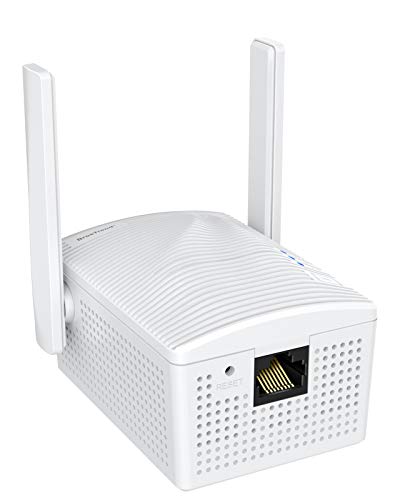 BrosTrend AC1200 WiFi to Ethernet Adapter Dual |
8.3/10 | Buy |
| Best Premium |
 NETGEAR Nighthawk WiFi 7 Router RS140 |
8.0/10 | Buy |
When a router is needed for Wi-Fi
To create a Wi-Fi network at home, you need equipment that can provide wireless access, but that equipment doesn’t have to be a separate router. A provider’s gateway may combine a modem and router, while a standalone router usually connects to a separate modem or another internet source. A wireless access point can also provide Wi-Fi when connected to a network that already has routing. The useful question is what your existing equipment does, not simply whether you own a device labelled router.
These distinctions help identify what your setup already includes.
- A modem connects an internet service to equipment in your home.
- A router manages traffic between your local devices and an internet connection.
- A wireless router combines routing with Wi-Fi access for nearby devices.
- A gateway often combines modem and router functions in one unit.
- An access point adds wireless access to a network that is already routed.
- A mobile hotspot uses cellular service to share an internet connection over Wi-Fi.
How a modem, router, and gateway fit together
Your internet service provider supplies the connection to your home, but the router doesn’t replace that service. A modem or compatible gateway links the home network to the provider’s service, and a router distributes that connection to devices. The router can provide wired Ethernet connections and, when wireless capability is included, a Wi-Fi network. Internet access therefore depends on both a usable service connection and equipment configured to connect to it.
A standalone modem may not broadcast Wi-Fi. If it has no wireless function, devices with Wi-Fi cannot join a wireless network through that modem alone. Connecting a compatible wireless router to the modem is one common arrangement, but the right equipment depends on the service and the provider’s requirements. A modem-router gateway can avoid the need for two separate boxes when its functions and service compatibility meet the household’s needs.
Provider equipment can make the distinction less obvious because one box may contain several networking components. Look at the equipment label, provider account information, or setup documentation to identify whether it is a modem, router, gateway, or access point. The presence of a Wi-Fi network name on a label or in an app can suggest that wireless networking is available, but it doesn’t by itself confirm that the internet service is active. Provider instructions are the best reference for identifying the connection type and required equipment.
When existing equipment means you don’t need a separate router
If your provider’s gateway already broadcasts Wi-Fi, your devices can connect to that network without an additional standalone router. A separate router may still be useful for a particular network arrangement, but adding one isn’t automatically necessary to get online. Extra routing equipment can also create configuration questions, especially if both devices are set up to route traffic. Use the provider’s directions to understand whether the supplied gateway should stay in its current mode or be configured for another arrangement.
Some homes use a router supplied by the internet provider, while others use customer-owned equipment. In either case, the service must support the equipment, and the router must have a suitable connection to the modem or gateway. A router’s advertised features alone don’t establish that it works with a particular provider or service plan. Verify compatibility using the provider’s current requirements and the equipment documentation rather than assuming that a connector or wireless feature is sufficient.
A wireless access point can be appropriate when a network already has a router but needs another place for devices to connect over Wi-Fi. It does not necessarily replace a modem or the router that manages the network. Mesh systems also provide wireless access through multiple coordinated units, but whether one is useful depends on the home layout and the existing network. These are different arrangements, not interchangeable labels for every device that supplies Wi-Fi.
What changes when you connect to someone else’s Wi-Fi
Your device does not need its own router to join an existing Wi-Fi network. It needs a compatible wireless connection, the network name, and permission or credentials to access that network. The router or access point belongs to the network being shared, not to each phone, computer, or television that joins it. Public networks and networks shared by another household are subject to the owner’s access rules and any sign-in requirements.
Wi-Fi connectivity and internet access are related but not identical. A device might connect to a router’s local network even when the modem, provider service, or internet connection is unavailable. In that situation, the device may show that it is connected to Wi-Fi while websites and online services still fail to load. Checking whether other devices have internet access can help distinguish a device-specific issue from a wider network or service problem.
How a mobile hotspot differs from home router service
A mobile hotspot creates Wi-Fi using a cellular connection rather than relying on the usual home modem connection. Depending on the equipment, a hotspot may be built into a phone, a dedicated mobile device, or another cellular product. The hotspot still needs an available mobile service and suitable signal to provide internet access. Its role is to share that cellular connection, not to replace a home internet plan in every circumstance.
Product descriptions can use words such as router, modem, adapter, and hotspot in ways that make device roles seem similar. Check how a device obtains internet, whether it creates Wi-Fi, and what it connects to before treating it as a substitute for a home router. For example, a Wi-Fi-to-Ethernet bridge lets a wired device join an existing wireless network; it doesn’t necessarily create the home’s original internet connection. A router rebooter, meanwhile, is intended to restart networking equipment and is not the device that supplies Wi-Fi.
Some listed products illustrate why the job matters more than the product category name. The Ejoyous Wire Less Network Router is described as a USB mobile hotspot, while the BrosTrend AC1200 WiFi to Ethernet Adapter Dual is described as a way to connect a wired device to Wi-Fi. The Keep Connect MAX Router Rebooter is described as a monitoring and reset device, not a replacement for a modem or router. Those descriptions don’t establish that any one item fits a particular provider, household, or network without checking the relevant requirements.
Checks to make before adding networking equipment
Use these checks to work out whether a separate router would fill a real gap in your setup.
- Identify whether your provider’s equipment is a modem, router, gateway, or access point.
- Check whether the existing equipment broadcasts Wi-Fi and whether that network is active.
- Confirm which modem or gateway equipment your internet service requires.
- Determine whether the problem affects one device or several devices on the network.
- Check whether internet access works over Ethernet, if a suitable wired connection is available.
- Review provider and manufacturer guidance before changing the network arrangement.
These checks can prevent buying equipment that repeats a function you already have. They can also reveal that the problem lies with the service, modem, device, or wireless environment rather than a missing router. If you’re replacing equipment, confirm the connection type and provider requirements first. A device that provides Wi-Fi still needs a suitable way to reach the internet if online access is the goal.
Why Wi-Fi can fail even when a router is present
A router can be present and still fail to provide usable internet access. The modem may not be connected correctly, the provider may have an outage, the service may not be activated, or a device may have a local connection problem. Wireless interference, distance, walls, floors, placement, and configuration can also affect Wi-Fi. A router’s presence alone doesn’t prove that each part of the connection is working.
Start by checking the status indicators and setup guidance for the modem or gateway, then see whether the issue affects multiple devices. If only one device has trouble, check its Wi-Fi settings and whether it can connect to another authorized network. If several devices lose internet at once, check the provider’s service status and the modem or gateway connection. Avoid assuming that purchasing another router will fix a service or modem fault.
Router location and the surrounding Wi-Fi environment matter when the connection works in some parts of a home but not others. A central, open location may help if placement is contributing, but moving equipment should follow the manufacturer’s instructions and account for required cable connections. Building materials, neighboring networks, connected devices, and network configuration can all influence results. No router can guarantee the same speed or coverage in every room or for every device.
Restarting equipment can sometimes help with a temporary connection issue, but repeated resets are not a substitute for diagnosing a recurring fault. Follow the manufacturer’s guidance for restart or reset procedures because a factory reset can erase network settings. Don’t open a router or power adapter, and keep equipment ventilated as directed. If the provider’s modem or service appears to be the source, contact the provider rather than changing equipment in a way that could interrupt service.
Keeping a home Wi-Fi network protected
A router helps manage a local network, but having one does not automatically secure every connected device or prevent all online threats. Use the manufacturer’s setup guidance to set a strong, unique administrator password and a Wi-Fi password that isn’t shared publicly. Keep available router software and firmware current according to the manufacturer’s instructions. Security options and update support vary by device, so check the documentation for the specific equipment.
Guest access can separate visitors’ connections from the main network when the router supports that feature. Share guest access rather than the administrator password, and turn off access that is no longer needed using the device’s normal settings. Don’t expose router administration to the internet or disable encryption and other protections as a routine troubleshooting step. Wi-Fi security is only one part of protecting a home network, since the security of phones, computers, accounts, and internet services matters too.
Before changing wireless settings, note the current network name and connection details so you can reconnect devices if the change affects them. Use the manufacturer’s guidance for firmware updates, password changes, and resets instead of relying on generic instructions that may not fit the equipment. If a setting’s purpose is unclear, check the documentation or provider support. Keeping network administration private reduces the chance that someone else can change settings or interrupt access.
Deciding whether your setup needs another device
A separate router is most relevant when your internet connection and existing equipment don’t already provide the wireless routing your devices need. A gateway with active Wi-Fi may already cover that role, while a modem without wireless capability may need a router or access point for wireless connections. A hotspot can share cellular service, and a bridge can connect certain wired devices to an existing Wi-Fi network. Each device solves a different connection need, so identify the missing function before choosing equipment.
Replacement decisions should also account for what is causing the current limitation. If Wi-Fi is available but a single room has a weak signal, placement or the home’s layout may be relevant; if every device lacks internet access, the modem or service may deserve attention first. If a wired device needs wireless access, a bridge may address that narrower task without replacing the router. These possibilities are not diagnoses on their own, but they help focus the next check.
Any new router or gateway must suit the internet service and connect properly to the equipment already in use. Some provider gateways can require a particular configuration when a separate router is added, so follow the provider’s instructions rather than guessing. A router can create and manage a home Wi-Fi network, but it cannot supply internet service on its own. Check your equipment and service requirements first, then add a device only if it provides a function your current setup lacks.
About the author

Victor Takahashi is a product writer covering mesh Wi-Fi routers and whole-home wireless networking. Victor focuses on turning specification sheets and published test data into clear comparisons that help readers match a product to their budget and needs.