
How to Connect Wifi Router to Phone Wirelessly
Connect your phone to a router by joining its Wi-Fi network and entering the correct password. Learn the steps and common fixes for November 2026.
 By Victor Takahashi
Updated November 19, 2026

At home, a phone can join a router’s wireless network without a cable: select the network name in the phone’s Wi-Fi settings and enter its password. For how to connect wifi router to phone wirelessly, the key is knowing the network name and password, then checking that the router and phone are powered on and within usable signal range. A router creates a local Wi-Fi network, while a modem or gateway may provide the connection between that network and the internet service. Connecting the phone to Wi-Fi and getting internet access are related but distinct outcomes, so a successful connection to the router does not by itself prove that the internet service is working.
Before changing settings, identify whether the phone is joining an existing home network, a newly configured router, or a temporary hotspot. The correct process depends partly on the router’s setup and the phone’s operating system, so menu names may differ. Use the network details supplied by the person who manages the router, rather than guessing passwords or using administrator credentials as the Wi-Fi password. If the phone connects but pages do not load, check the router, modem, and internet service separately before assuming that the phone’s wireless connection failed.
| Award | Product | Mesh WiFi Routers Score About Mesh WiFi Routers ScoreMesh WiFi Routers Score is a comparison aid based on available product information, not a hands-on testing result. Read our review methods. | |
|---|---|---|---|
| Best Overall |
Ejoyous Wire Less Network Router
|
8.9/10 | Buy |
| Best Budget |
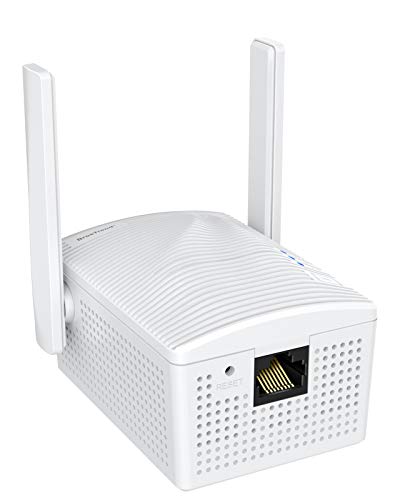 BrosTrend AC1200 WiFi to Ethernet Adapter Dual |
8.3/10 | Buy |
| Best Premium |
 NETGEAR Nighthawk WiFi 7 Router |
8.3/10 | Buy |
| Best Value |
 NETGEAR Nighthawk WiFi 7 Router RS140 |
8.0/10 | Buy |
Connect a phone to a router’s Wi-Fi network
To connect wirelessly, enable Wi-Fi on the phone, select the router’s network name, and enter the matching Wi-Fi password when prompted. Keep the phone near the router during initial setup so a weak signal is less likely to complicate the process. If the phone joins but has no internet access, the wireless link may be working while the modem, gateway, service, or router’s internet connection needs attention. Separate those checks rather than repeatedly changing the phone’s network settings.
The exact labels vary among phone operating systems and router interfaces, but the basic distinction remains the same: Wi-Fi settings connect a device to a network, while administrator settings manage the network itself. You usually need the Wi-Fi password for the first task, not the router’s administrator password. Follow the router and phone manufacturers’ instructions if menus or security prompts differ from the general process described here.
- Confirm that the router is powered on and its Wi-Fi network is available.
- Check the network name against the label or details provided by the network manager.
- Use the Wi-Fi password, observing capitalization and punctuation as shown.
- Keep the phone close enough to receive a usable signal during the first connection.
- Check whether the router has a separate guest network with its own credentials.
Find the correct Wi-Fi network and password
Open the phone’s Wi-Fi or network settings and look for the list of nearby wireless networks. Select the name that matches the router or the network details supplied by its administrator. A router may broadcast a main network and a guest network, or separate names for different bands, so do not assume that the first visible name is the intended one. If there are several similar names, verify the exact spelling before entering a password.
Network names and passwords may be printed on a router label, shown in a provider’s setup materials, or provided by the person who configured the network. A customized network name or password will not necessarily match the factory label. Ask the network manager for the current Wi-Fi credentials if the printed information fails. Avoid sharing the router’s administrator login; that login controls configuration and is not needed just to join the wireless network.
Join the network from the phone’s Wi-Fi settings
Turn on Wi-Fi on the phone, choose the intended network, and enter its password when prompted. Wait for the phone to show that it is connected, then open a familiar website or app to check whether internet access is available. A phone may remember a network after the first successful connection and reconnect automatically later, depending on its saved settings and whether the network is in range. If the phone asks whether to trust or join a network, confirm that the name is the one you intended to use.
Some routers use a companion app or a web-based setup page during initial configuration. Those tools can help establish the network name and password, but the phone still connects through its Wi-Fi settings once the network is available. Use the manufacturer’s current instructions for app-based setup, and check whether an internet connection is required for the app’s features. Do not expose router administration to the internet or share administrator credentials as a shortcut.
Understand the router, modem, and internet connection
A standalone router provides a local network and routes traffic between connected devices and an internet connection. A modem connects to the provider’s service, while a gateway combines modem and router functions in one device. Depending on the home setup, a separate router may connect by Ethernet to a modem or gateway. Knowing which arrangement is present helps explain why a phone can join Wi-Fi even when internet service is unavailable.
When the phone displays a Wi-Fi connection but websites fail to load, the phone may already be communicating with the router. The problem could instead involve the modem, provider service, router configuration, or an outage. Check whether other devices on the same network can reach the internet. If none can, investigate the shared connection rather than removing and re-adding the phone’s network as the only response.
A portable hotspot is another possible source of Wi-Fi, but it is not the same arrangement as joining a home router. The Ejoyous Wire Less Network Router is described in the supplied product information as a USB modem and Wi-Fi hotspot; that description does not establish that every phone or service is compatible. For an ordinary home router, follow its setup guidance and confirm that its internet connection is active before diagnosing a phone-specific issue.
Check band, signal, and phone compatibility
Some routers provide more than one Wi-Fi band, and some show a separate network name for each. A phone may see only networks supported by its wireless hardware and the router’s configuration. If one network name is missing, check the phone’s specifications and the router’s instructions before changing settings. The available product information for individual routers cannot establish compatibility for an unspecified phone model.
Signal quality can change with distance, walls, floors, interference, and the location of the router. A phone that connects near the router but struggles in another room may be experiencing a coverage or environmental issue rather than an incorrect password. Moving closer is a useful check; if the connection improves, placement or the path between the devices may be contributing. Actual speed and coverage also depend on the internet service, router configuration, and the devices using the network.
Do not treat an advertised router rate or coverage figure as a promise about a particular phone’s connection. Product specifications describe stated capabilities under conditions that may not match a home’s layout, internet plan, or connected devices. The phone’s supported Wi-Fi features matter too. If buying or configuring equipment is part of the task, verify the particular model’s documentation and the phone’s specifications rather than assuming that a newer router automatically solves a connection problem.
Resolve password errors and failed connections
A password error can result from a typo, an outdated saved password, or choosing a different network from the intended one. Re-enter the current Wi-Fi password carefully and check capitalization, spaces, and punctuation. If the credentials recently changed, the phone may still have an older saved password. Use the phone’s network controls to forget the saved network only if needed, then reconnect with verified current details.
If the network does not appear, confirm that Wi-Fi is enabled on both devices and that the router is broadcasting the intended network. Move closer and refresh the available network list. A hidden network, a changed network name, router settings, or a phone’s supported bands could also explain why it is not visible. Consult the manufacturer’s guidance before changing wireless settings, particularly if other household devices depend on the existing configuration.
Use these checks to distinguish a phone-side issue from a network-wide problem.
- Check whether another device can join the same Wi-Fi network.
- See whether the phone connects to a different trusted Wi-Fi network.
- Confirm that the router’s network name and password have not changed.
- Move closer to the router and retry without changing security settings.
- Check provider or modem status if multiple devices lack internet access.
Protect the network while connecting a phone
Use the router’s supported security settings and a private Wi-Fi password. Do not disable encryption as a routine troubleshooting measure, and do not use an open network merely to avoid resolving a password problem. If a guest network is available, its separate access can be appropriate for visitors, but its configuration and limitations depend on the router. Follow the manufacturer’s instructions when managing security or guest access.
Keep the Wi-Fi password distinct from the administrator password where the router allows separate credentials. Limit administrator access to people who need to manage the network, and avoid sharing that login through messages or with visitors who only need internet access. Router firmware and phone software can affect security and connectivity, so use supported update methods described by their manufacturers. Do not interrupt an update or reset equipment without understanding the consequences for the current configuration.
A factory reset is not a first step for an ordinary phone connection failure. It can erase customized network settings and require the router to be configured again. Check the router documentation and consider whether the network administrator can restore the setup before resetting. Never open the router or its power adapter, and keep equipment ventilated in accordance with its instructions.
Verify the connection and choose the next check
After joining, confirm that the phone reports a Wi-Fi connection and test internet access with a familiar service. If the phone connects but has no internet, compare with another device on the same network. If other devices also fail, check the modem, gateway, provider connection, and router status using their supplied guidance. If only this phone fails, focus on its saved network, wireless settings, software, and supported network features.
For intermittent connections, note where and when they occur. A problem limited to one room may point toward signal conditions or placement, while a failure affecting every device may involve the shared network or internet service. A problem that follows one phone across networks may be device-specific. These patterns help narrow possible causes, but they do not prove a single fault without further checks.
Keep the network name and Wi-Fi password available to authorized household members, and record any configuration changes in a secure place. If basic checks do not restore access, contact the internet provider or the router manufacturer with the observed symptoms and relevant model details. Begin by confirming whether the phone joined Wi-Fi; then investigate internet access separately if the connection still does not work.
About the author

Victor Takahashi is a product writer covering mesh Wi-Fi routers and whole-home wireless networking. Victor focuses on turning specification sheets and published test data into clear comparisons that help readers match a product to their budget and needs.